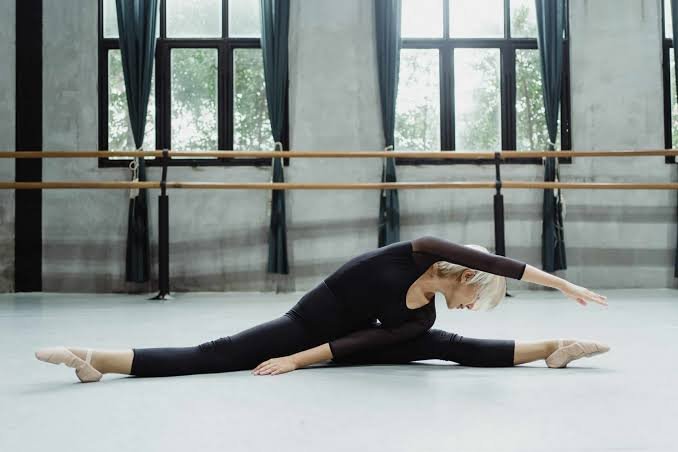
How to Improve Flexibility for Dancing
Learning how to improve flexibility for dancing can make a major difference in the way you move, perform, and feel while dancing. Whether you are a beginner or have been dancing for years, better flexibility can help you achieve cleaner lines, deeper movements, higher extensions, and greater control. The good news is that flexibility is not something you are simply born with. With regular practice and the right approach, it can gradually improve.
Why Flexibility Matters in Dance
Flexibility allows dancers to move their joints through a wider and more comfortable range of motion. Many dance styles require movements such as high kicks, splits, deep bends, back extensions, and extended leg positions. Without enough flexibility, these movements may feel difficult or restricted.
Good flexibility can also support better dance technique. When your muscles and joints can move comfortably, you may find it easier to maintain proper positions and create smooth transitions between movements. However, flexibility should always work together with strength and control. Being extremely flexible without having enough muscular control can increase the risk of injury.
Start With a Proper Warm-Up
One of the simplest ways to improve your flexibility safely is to warm up before stretching. Cold muscles are generally less prepared for intense stretching and movement.
Spend around five to ten minutes doing light activity before your flexibility routine. Walking, jogging gently, jumping jacks, or dancing at a low intensity can increase your body temperature. You can then add dynamic movements such as leg swings, arm circles, hip rotations, and controlled lunges.
A warm-up should make your body feel ready to move rather than tired. Avoid forcing your body into deep stretches immediately after sitting for a long period.
Practice Dynamic Stretching
Dynamic stretching involves controlled movement through your available range of motion. It is particularly useful before dance practice because it prepares your body for the movements you are about to perform.
For example, dancers can use controlled leg swings to prepare the hips and legs for kicks. Walking lunges can warm up the hips and thighs, while gentle torso rotations can prepare the upper body.
The key is control. Dynamic stretching should not involve aggressive bouncing or swinging. Start with a smaller range of motion and gradually increase it as your body becomes warmer.
Add Static Stretching After Training
Static stretching involves holding a position for a period of time. It can be useful after dancing or during a separate flexibility session when your muscles are already warm.
Common stretches for dancers include hamstring stretches, hip-flexor stretches, calf stretches, butterfly stretches, and gentle splits practice. Hold each position comfortably without forcing yourself into pain.
A mild pulling sensation can be normal, but sharp pain is a warning sign to stop. Flexibility improves gradually, so pushing harder does not necessarily produce faster results.
Focus on the Areas Dancers Use Most
A good flexibility routine should address the areas that are important for your particular dance style. Many dancers focus on the hips, hamstrings, calves, ankles, shoulders, and spine.
If you want higher leg extensions, hip and hamstring flexibility may be especially important. If you perform movements requiring deep lunges or splits, working on the hip flexors can be helpful. Ballet dancers may pay close attention to the hips, ankles, and calves, while contemporary dancers may also need comfortable spinal and shoulder mobility.
Rather than trying to stretch everything equally, identify the movements that feel restricted and build your routine around them.
Do Not Forget Strength
Flexibility and strength go hand in hand. Strong muscles help dancers control their movements and use their available range of motion safely.
Exercises such as squats, lunges, calf raises, glute bridges, and controlled leg lifts can complement a flexibility program. Core exercises can also help dancers maintain stability while moving through larger ranges of motion.
For example, being able to lift your leg high is one thing, but being able to hold and control that position requires strength. Combining stretching with strengthening can make your dance movements more useful and controlled.
Make Flexibility Training Consistent
Consistency is more important than doing one extremely long stretching session once a week. Even 10 to 20 minutes of focused flexibility work several times a week can be more practical than stretching intensely only occasionally.
Create a routine that fits naturally into your schedule. You might stretch after dance practice, during a separate workout, or as part of your evening routine.
Keep track of your progress instead of expecting dramatic changes overnight. You may notice small improvements in your range of motion, comfort, or technique before you see major visual changes.
Listen to Your Body
Every dancer has a different body structure, flexibility level, and training history. Comparing yourself with another dancer can be discouraging because everyone progresses at a different pace.
Never force a stretch because you think you should already be able to do it. Rest is also part of training. If you experience persistent pain, swelling, or an injury, stop the exercise and consider getting advice from a qualified healthcare or movement professional.
Conclusion
Understanding how to improve flexibility for dancing is really about developing a consistent and balanced routine. Warm up properly, use dynamic stretches before dancing, include static stretches when your muscles are warm, strengthen the muscles around your joints, and give your body enough time to adapt.
Flexibility does not need to happen overnight. With patience, consistency, proper technique, and attention to your body’s limits, you can gradually develop a greater range of motion and more comfortable dance movements. The goal is not simply to become flexible—it is to become a stronger, more controlled, and more confident dancer.
you may also read nowitstrend.
About the Author