
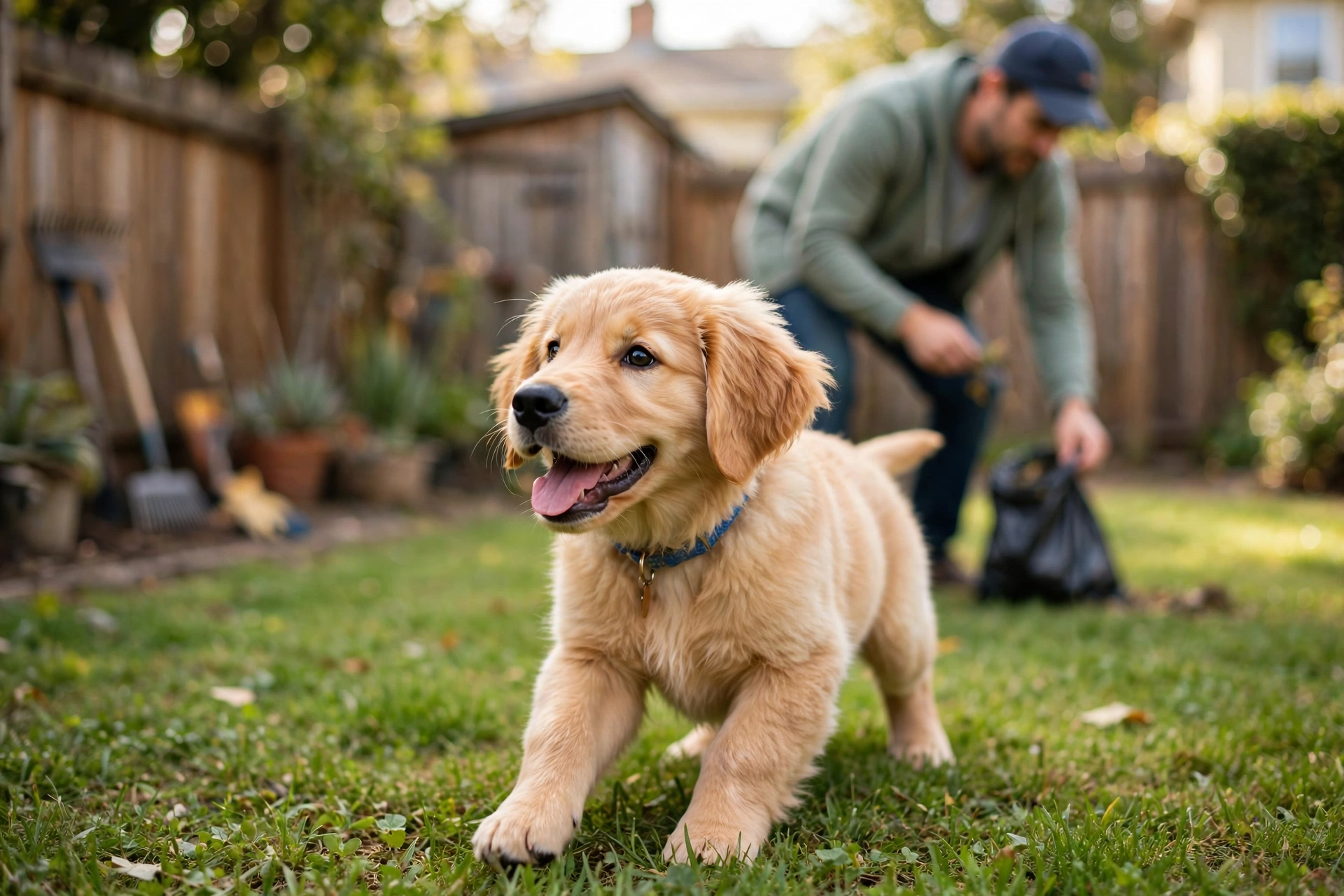

If your dog has just eaten poop in the garden and then trotted over for a cuddle, you are not alone, and you are not a bad owner. The behaviour has a name, coprophagia, and it is surprisingly common in puppies and adult dogs. That does not make it pleasant, and it is not something to ignore. Faeces can carry parasites and viruses, and a sudden change in habit can sometimes point to a health problem.
The good news is that most cases improve with a steady plan: remove the opportunity, teach a reliable alternative, review food and routine, and know when to call the vet instead of trying another home trick. There is no single spray, fruit or powder that fixes every dog. What works is consistency for a few weeks, not a one-day cure.
This guide explains why dogs do it, which home remedies are worth trying, which ones are often oversold, and the red flags that mean you should stop experimenting and book a veterinary appointment.
Why Do Dogs Eat Poop?
Owners often assume the answer must be a vitamin deficiency. Sometimes nutrition plays a part, but in many healthy, well-fed dogs the reason is simpler: to a dog, faeces do not smell disgusting in the way they do to us. Dogs explore the world with their noses and mouths, and undigested food in stool can still smell interesting.
It can smell and taste appealing to a dog
Dogs have a very different sense of taste and smell. Stool from a dog, cat or other animal may contain traces of protein, fat and familiar food scents. Cat faeces are a common target because cat food is rich and strongly scented, and many dogs learn to raid a litter tray if they can reach it. This is gross to us, but it is normal scavenging behaviour for an animal that evolved to eat what it found.
Nutrient absorption and digestive issues
If food passes through too quickly or is not digested well, the stool can seem more food-like. Dogs with pancreatic problems, intestinal disease, parasites or other conditions that affect absorption may feel hungry even when they are fed enough. That is one reason a new, persistent habit in an adult dog deserves attention. A diet change on its own will not fix an underlying medical cause.
Boredom, anxiety and too much empty time
A dog left alone in a garden with nothing to do may start investigating, and eating, what is there. Puppies confined for long periods, dogs that lack exercise or mental work, and anxious dogs can turn stool eating into a habit. If it only happens when you are out, separation anxiety or simple opportunity may be part of the picture. Knowing how long a dog can be left alone also matters here, as long empty stretches with nothing to do can encourage habits like this.
Learned behaviour and early life
Young puppies mouth almost everything, and many will taste faeces out of curiosity. Most grow out of it if the stool is cleared quickly and they are redirected. Mother dogs naturally eat their puppies’ waste to keep the nest clean, so very young puppies see the behaviour early. Puppies from crowded or unclean environments may also learn to eat faeces if they are left around it for long periods.
Start Here: A Safe 7-Day Home Plan
If you only do one thing, do this: stop giving your dog unsupervised access to faeces while you retrain. Most home remedies fail because the dog keeps practising the habit every day. Use this routine for at least a week, then keep the clean-up habit for good.
1. Clean up immediately, every time
Pick up stool in the garden as soon as your dog goes, ideally before you go back indoors. At first, go out with your dog rather than letting them out alone. Check the usual spots daily, including behind sheds, along fences and in long grass. If you have cats, move the litter tray where your dog cannot reach it, use a covered tray or a baby gate, and clean it often. In multi-dog homes, clear up after each dog, because some dogs prefer another dog’s stool to their own.
2. Keep your dog on a lead in risky places
On walks, a short lead, not a long extending lead, gives you time to steer away from faeces left by other animals. If your dog pulls towards stool, calmly turn and walk the other way. Do not yank the lead or shout. Distance and timing matter more than force. A well-fitted harness can make steering easier without pressure on the neck.
3. Teach and reward leave it
Start indoors with a boring treat in a closed hand. When your dog stops sniffing and looks away, reward from your other hand with something better. Add the words leave it once the behaviour is reliable. Practise with low-value items on the floor, then move to the garden, then to a walk, rewarding heavily at first. The aim is simple: ignoring something on the ground leads to praise, play or a good treat from you.
4. Reward the toilet trip properly
After your dog toilets outdoors, call them straight to you and reward before they have time to turn back. Put the lead on, play a quick game, then clear up. Many dogs eat faeces in the few seconds after they finish, so speed matters. Make coming to you more rewarding than investigating the stool.
5. Add work for the nose and brain
Scatter a few treats in short grass for your dog to find, use a snuffle mat, hide a toy, or do two minutes of simple training. A tired, occupied dog is less likely to scavenge. Spread activity through the day rather than relying on one long walk.
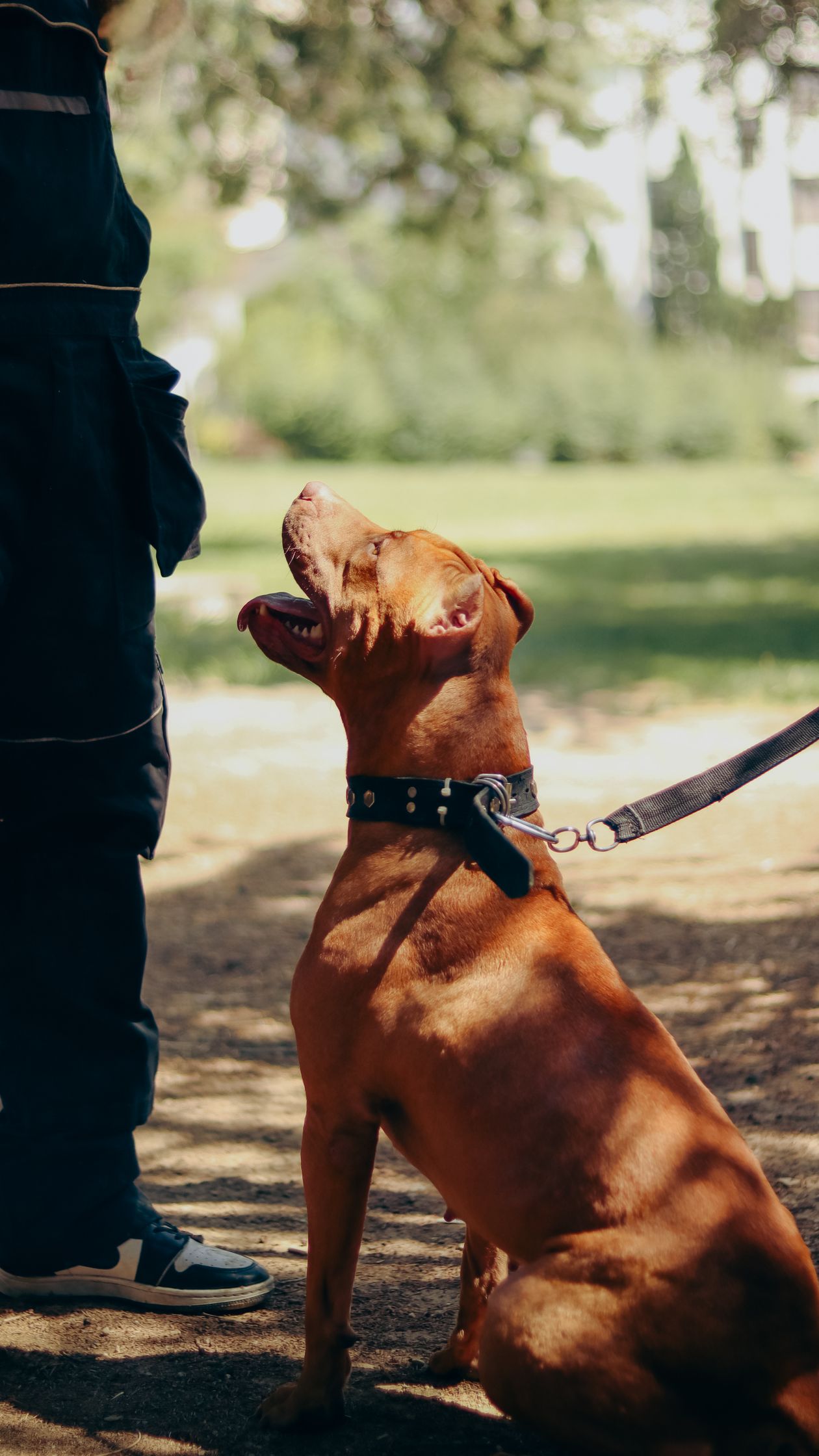
Home Remedies People Try, and What They Can Realistically Do
Food additives and taste deterrents sometimes help one dog and do nothing for the next. They work best alongside clean-up and training, not instead of them.
Taste-deterrent products
Shop-bought coprophagia deterrents are usually given in food so the stool tastes bitter. They can help when a dog eats its own faeces, but they do not help if the target is cat stool or another dog’s waste unless every animal is treated, which is not always practical or appropriate. Follow the label, do not use products meant for another species without veterinary advice, and stop if the product upsets your dog’s stomach.
Putting chilli, mustard or other strong substances on faeces is not a good plan. It can irritate the mouth and stomach, it is hard to do consistently, and it may simply teach the dog to eat faster or choose different stool. Bitter taste needs to be paired with prevention. If the dog can still practise daily, the lesson is weak.
Pumpkin, pineapple and other food additions
Plain pumpkin is often suggested because its taste is said to change once it has been digested. Some owners feel it helps, others notice no difference. If you try it, use plain canned pumpkin with no spices or sweetener, never pumpkin pie filling, and only a small amount mixed into food. Start small, because extra fibre can loosen stool. Stop if your dog gets diarrhoea or refuses meals.
Pineapple is another popular idea, based on the thought that it makes stool taste bitter. Again, the evidence is mostly anecdotal. A tiny piece as part of normal food is very different from giving large amounts, which can mean extra sugar and stomach upset. Meat tenderiser and similar household powders are a risky shortcut and should not be used unless a vet specifically advises it.
The honest position is this: these additions are optional experiments for a healthy dog, not treatment. If they seem to help alongside clean-up and training, fine. If nothing changes after a week or two, do not keep adding more ingredients. Look at the bigger picture: access, routine, diet quality and health.
Review the diet, but do not keep switching foods
Feed a complete adult or puppy food that suits your dog’s age and size, in the right amount for a healthy weight. Dogs that are genuinely hungry, fed once a day and then left for many hours, or regularly stealing food may be more driven to scavenge. For some dogs, splitting the daily amount into two meals helps them feel settled. Change food gradually over several days, and keep a short note of what you fed, treats and any stool changes. For your dog, the priority is a complete, proven diet rather than novelty ingredients.
If your dog is losing weight despite eating well, produces soft or greasy stool, or seems hungry all the time, food alone is unlikely to be the answer. That pattern needs a vet, not a new brand every fortnight.
What Not to Do
Do not rub your dog’s nose in faeces, shout after the event, or punish a puppy for something you found later. As well as being unfair, it can make a dog eat stool faster when you are not looking, or become anxious about toileting near you. Do not use electric collars or harsh corrections for this problem. They risk injury and damage trust, and they do not teach the dog what to do instead.
Do not let children handle stool clean-up, and wash hands well after dealing with faeces, litter trays or a dog that has just eaten stool. Until the habit stops, keep faces away from licks, clean food bowls regularly, and pick up waste before lawn games or picnics.
Health Risks: Is Eating Poop Dangerous?
Many dogs suffer no obvious harm after one incident, but the risk is real. Faeces can contain intestinal parasites such as worms and giardia, and bacteria such as salmonella or campylobacter. A healthy adult dog may clear some infections without symptoms, while a puppy, an older dog or a dog with a weaker immune system can become ill.
The risk rises when a dog eats stool from unknown animals on walks. That stool could come from a dog with parvovirus, an unvaccinated animal, or wildlife. It can also expose your dog to medicines or substances the other animal ate. This is why prevention on walks matters as much as garden clean-up. The American Kennel Club advice on why dogs eat poop explains why the habit should be discouraged and discussed with a vet when it persists.
When Home Remedies Are Not Enough: Vet Red Flags
Most puppies who mouth faeces grow out of it. The concern is when the habit is new, sudden, frequent or paired with body changes. Book a vet appointment rather than adding another deterrent if you notice any of the following:
- An adult dog starts eating poop suddenly, after months or years without the habit.
- Weight loss, a bigger appetite than usual, or always seeming hungry.
- Vomiting, repeated diarrhoea, very soft stool, or blood in stool or vomit.
- Drinking or urinating much more, low energy, or a dull coat.
- Eating non-food items as well, such as stones, socks or soil.
- A puppy that is not growing, seems unwell, or has missed vaccinations or parasite treatment.
Take a note of when it started, whose faeces the dog targets, what food and treatments it has, and whether stool looks normal. A short phone video can help if the behaviour happens in the garden. Your vet may check for parasites, digestive or pancreatic problems, nutrient absorption issues and other causes. That examination is not a failure of home training. It is how you tell a habit apart from a health problem.
If your dog seems unwell after eating unknown faeces, with repeated vomiting, collapse, severe diarrhoea, blood, or you know the other animal was ill, call your vet or local emergency service the same day and explain what happened. Do not wait to see if a home remedy settles it.
Frequently Asked Questions
How do I stop my dog from eating poop naturally?
Start with management: clear faeces immediately, go out with your dog, use a short lead on walks, and teach leave it with rewards. Add mental work and review meals. Natural food additions such as plain pumpkin may help some dogs, but they rarely work if the dog still has daily access to stool.
Why does my dog eat poop all of a sudden?
A sudden change in an adult dog can follow a diet change, stress, boredom, new access to a litter tray or another animal, or a health problem that affects hunger and digestion. If it is new and persistent, or comes with weight loss or tummy signs, arrange a vet check instead of only trying deterrents.
Does pumpkin stop dogs from eating poop?
It may help some dogs, but there is no guarantee. Use a small amount of plain pumpkin, not pie filling, and watch the stool. If there is no change in a week or two alongside clean-up and training, pumpkin alone is unlikely to solve it.
What deficiency causes dogs to eat poop?
There is no single deficiency behind most cases. Poor digestion, parasites, pancreatic or intestinal disease, and not absorbing nutrients properly can contribute, as can boredom and learned behaviour. A vet can check for medical causes rather than guessing at supplements.
Is eating poop harmful for dogs?
It can be. Faeces can carry parasites such as giardia and worms, bacteria and viruses including parvovirus in stool from an infected dog. Puppies and unwell dogs face a higher risk. Keep parasite treatment and vaccinations current, and call a vet if your dog becomes ill.
Should I punish my dog for eating poop?
No. Punishment after the event does not teach the right choice and can make the dog hide the behaviour or eat faster. Prevent access, redirect calmly with leave it, and reward coming to you. If you catch your dog in the act, interrupt gently, call them away, reward, then clean up.
Eating poop is unpleasant, but with most dogs it is manageable. Clean up fast, make ignoring stool worth your dog’s while, keep feeding and exercise steady, and use your vet early when the pattern changes. That calm routine protects your dog, and keeps cuddles a lot more appealing.