
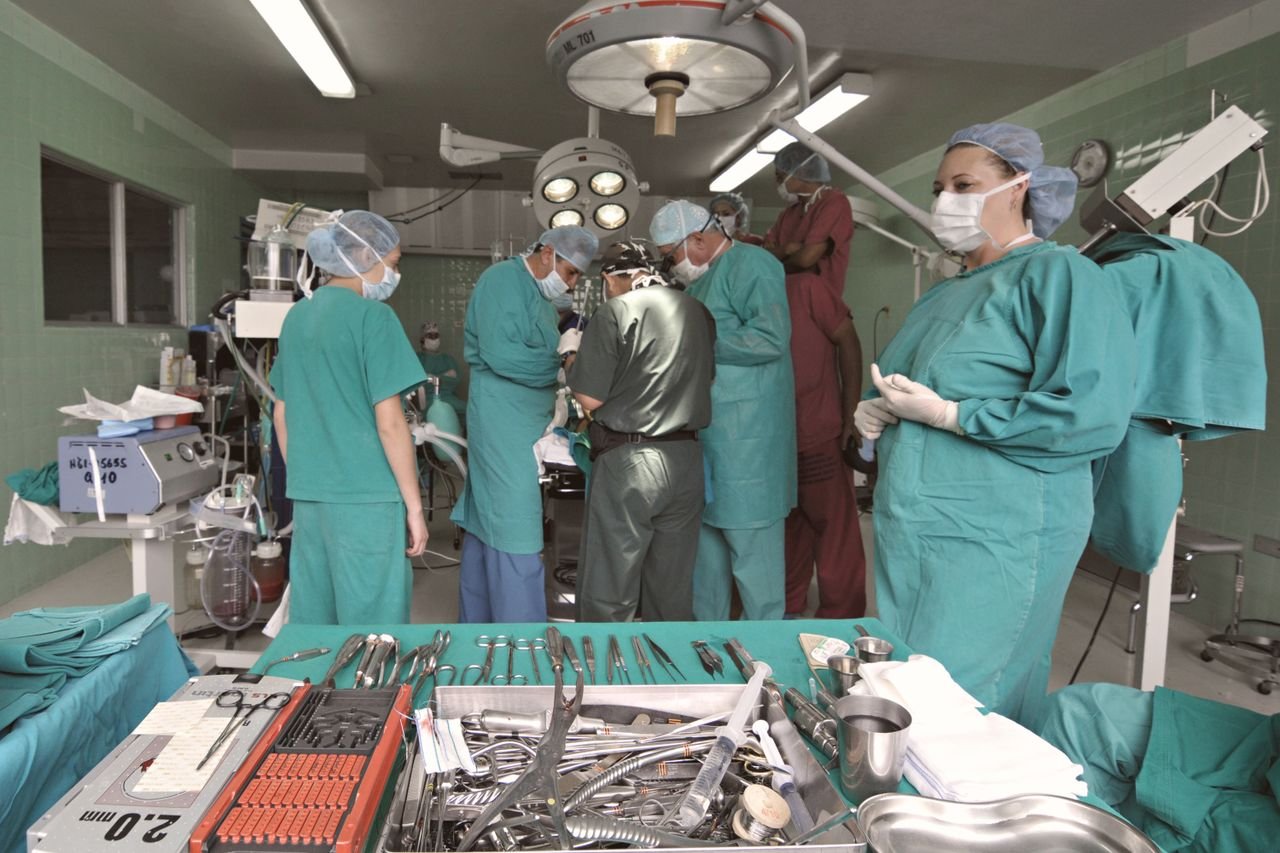

What does a surgical tech do? A surgical technologist (or surgical technician) is the healthcare professional who prepares the operating room, maintains the sterile field, and hands instruments to the surgeon during procedures. They don’t perform surgery themselves — they’re the surgeon’s essential right hand, making sure everything needed is sterile, ready, and within reach. According to the U.S. Bureau of Labor Statistics, the median annual pay was $64,650 in May 2025, with job growth projected at 5%.

What Is a Surgical Technologist?
A surgical technologist — often called a surgical tech or scrub tech — is a specialized allied health professional who works as part of the surgical team alongside surgeons, anesthesiologists, and nurses. Their core responsibility is the sterile field: the germ-free zone around the surgical site. If sterility breaks, infection risk rises — so the tech’s vigilance directly protects the patient.
Surgical techs work in hospitals, outpatient surgery centers, and specialty clinics. For a closely related career in the same sterile-supply chain, see our guide to the sterile processing technician.
Main Responsibilities of a Surgical Tech
Before Surgery (Preoperative)
- Sterilizing and arranging instruments, drapes, and supplies for the procedure.
- Verifying that surgical lights, suction, cautery, and other equipment work properly.
- Preparing the operating room and reviewing the surgical plan with the team.
- Helping position and drape the patient while maintaining sterility.
During Surgery (Intraoperative)
- Passing instruments, sponges, and supplies to the surgeon — often anticipating what’s needed next.
- Maintaining the sterile field throughout the procedure.
- Handling tissue specimens for lab analysis.
- Counting sponges, needles, and instruments before closure so nothing is left inside the patient.
- Holding retractors and assisting with wound closure as directed.
After Surgery (Postoperative)
- Applying dressings and assisting with patient transfer.
- Cleaning the operating room and restocking for the next case.
- Disposing of biohazardous waste per protocol.
- Ensuring instruments are decontaminated and sent for sterilization.
- Documenting the procedure per facility requirements.
Essential Skills
- Attention to detail — a single break in sterile technique can cause infection.
- Manual dexterity — fast, precise handling of instruments under pressure.
- Communication — clear, calm exchanges with surgeons and nurses during procedures.
- Composure under stress — surgeries don’t always go as planned.
- Stamina — long procedures mean hours on your feet.
Education and Certification
Most surgical techs complete a postsecondary certificate or associate degree program (typically 9–24 months), which includes classroom instruction and supervised clinical rotations. The two main certifications are:
- Certified Surgical Technologist (CST) — awarded by the National Board of Surgical Technology and Surgical Assisting (NBSTSA).
- Tech in Surgery – Certified (TS-C) — awarded by the National Center for Competency Testing (NCCT).
Requirements vary by state and employer, but certification significantly improves job prospects. Building professional relationships during clinical rotations also matters — see our guide to strategic networking for how to turn training contacts into career opportunities.
Salary and Job Outlook
According to the U.S. Bureau of Labor Statistics, surgical technologists earned a median annual wage of $64,650 in May 2025, with employment projected to grow about 5% from 2025 — roughly as fast as the average for all occupations. Pay varies by experience, location, specialty, and setting (hospitals typically pay more than outpatient centers). With experience, techs can advance to surgical first assistant roles, specialize in areas like neurosurgery or orthopedics, or move into education and management.
Challenges of the Job
It’s an honest career guide, so here are the hard parts: exposure to blood and bodily fluids, long hours on your feet, on-call shifts including nights and weekends, and the emotional weight of difficult cases. Burnout is real in surgical services. The techs who thrive are those who genuinely love the pace and precision of the OR.
Frequently Asked Questions
What does a surgical tech do?
A surgical tech prepares the operating room, maintains sterility, and passes instruments to the surgeon during procedures.
How long does it take to become a surgical tech?
Certificate or associate programs typically take 9–24 months, including supervised clinical rotations.
How much do surgical techs make?
The U.S. median was $64,650 per year in May 2025 (BLS). Pay varies by experience, location, and specialty.
Is surgical tech a good career?
For people who thrive under pressure and want hands-on patient care without years of medical school, yes — solid pay, steady demand (5% projected growth), and clear advancement paths.
What’s the difference between a surgical tech and a surgical nurse?
Both work in the OR, but nurses (RNs) have broader clinical responsibilities including patient assessment and medication, while techs focus specifically on the sterile field and instrumentation.
Conclusion
Surgical technologists are the quiet professionals who make surgery possible — part guardian of sterility, part mind-reader anticipating the surgeon’s next move. With solid pay, steady demand, and a training path measured in months rather than years, it’s one of healthcare’s most accessible hands-on careers.