
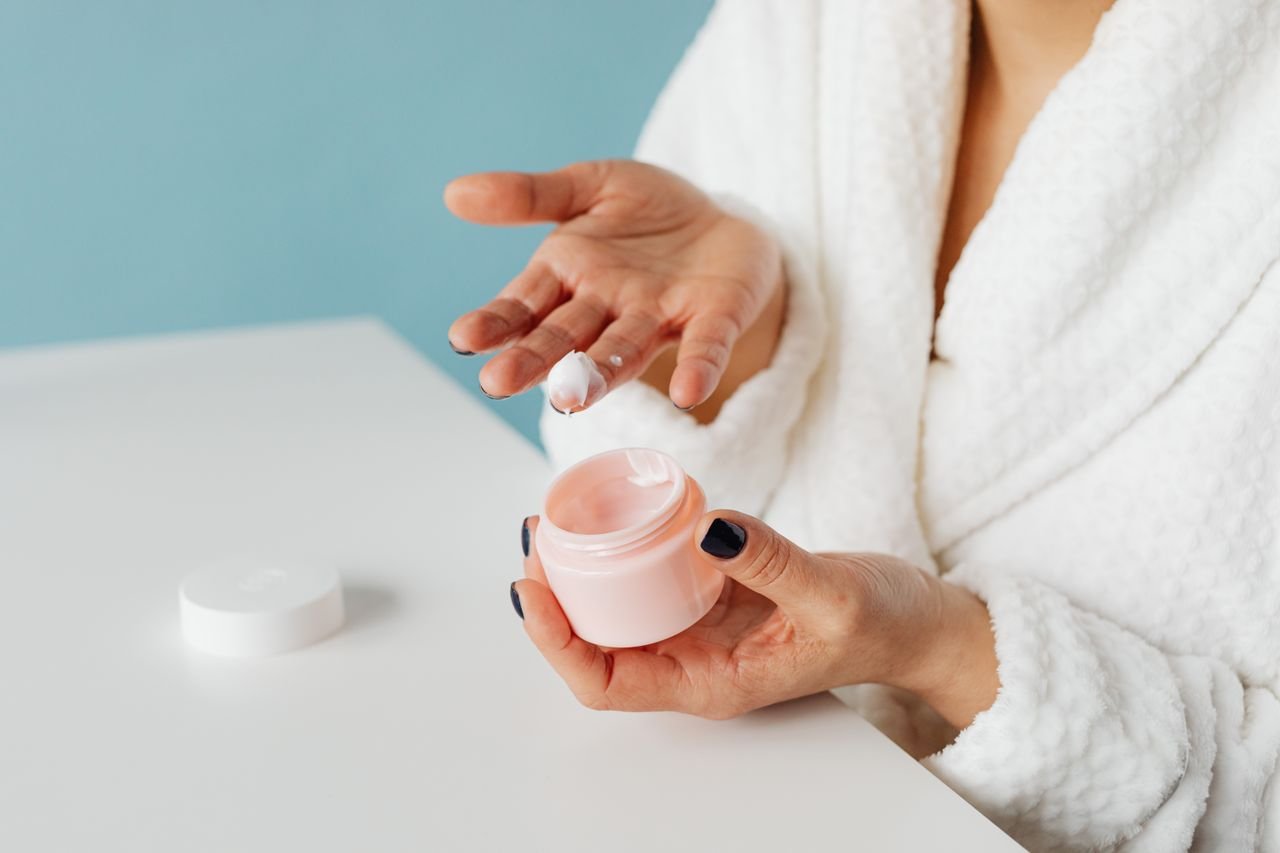

What is Cilxarhu677 moisturizer? Honestly: we can’t verify it exists. “Cilxarhu677” is a nonsense keyword with no traceable brand, no official website, and no verifiable clinical studies behind it. The glowing claims about it online — precise ceramide ratios, “98%” study results — can’t be checked against any real source. Here’s the honest guide: what the claims say, why they don’t hold up, and what actually matters in a moisturizer.

The Claims About Cilxarhu677
Pages promoting “Cilxarhu677 moisturizer” describe a gel-cream hydrator with a specific ingredient list: squalane, ceramides, niacinamide, hyaluronic acid, and caprylic/capric triglycerides. They cite “clinical studies” with exact percentages — “98% of reactive skin showed no irritation,” “91% felt softer after one week” — and describe a “3:1 ceramide to cholesterol ratio.”
Those details sound scientific. The problem: none of them can be traced to a real study, a real brand, or a real product page. There is no manufacturer, no ingredient dossier, no published trial. Precise numbers without a source aren’t evidence — they’re decoration.
Why This Pattern Exists
“Cilxarhu677” follows a pattern we’ve documented before: a made-up keyword gets articles written around it so the pages can rank for searches and collect ad clicks. We’ve investigated the same phenomenon with Yalla Choy and Cbybxrf — nonsense terms dressed up as real topics. The formula is always the same: confident claims, zero verifiable sources.
What Actually Makes a Good Moisturizer
Strip away the brand name and the real question is worth answering: what should you look for in a moisturizer? Dermatologists generally point to a few proven ingredient categories:
- Humectants (like hyaluronic acid and glycerin) draw water into the skin.
- Emollients (like squalane) smooth and soften the skin’s surface.
- Occlusives (like petrolatum or heavier oils) seal moisture in — best for very dry skin or nighttime use.
- Barrier-supporting ingredients (ceramides, niacinamide) help maintain the skin’s protective barrier.
A good moisturizer combines at least two of these categories. The “best” one depends on your skin type: gel-creams suit oily skin, richer creams suit dry skin, and fragrance-free formulas are the safest bet for sensitive skin.
How to Spot Fake Skincare Claims
- No official website or manufacturer. Real products have a brand you can look up.
- Exact percentages with no study cited. “91% of users” means nothing without a published trial, sample size, and methodology.
- Gibberish product names. “Cilxarhu677” isn’t a brand name — it’s keyboard noise.
- Every article says the same thing. Copy-pasted claims across low-quality sites usually trace back to one invented source.
If You Have Sensitive Skin
Don’t trust a mystery product with reactive skin. Instead: choose fragrance-free moisturizers from established brands, patch-test any new product on a small area of skin for 24–48 hours before full use, and introduce one product at a time so you can identify what causes irritation. If problems persist, see a dermatologist — not a blog post.
Frequently Asked Questions
Is Cilxarhu677 moisturizer real?
We found no verifiable evidence that it exists — no brand, no official site, no published clinical studies. Treat it as an unverified internet claim, not a real product.
What are the claimed ingredients?
Promotional pages list squalane, ceramides, niacinamide, hyaluronic acid, and caprylic/capric triglycerides — all real skincare ingredients, but attached to an unverifiable product.
Should I buy Cilxarhu677 moisturizer?
We wouldn’t recommend buying a product you can’t verify exists. Choose moisturizers from established brands with real ingredient lists and real reviews.
What should I look for in a moisturizer instead?
Humectants (hyaluronic acid, glycerin), emollients (squalane), occlusives for dry skin, and barrier-supporting ingredients (ceramides, niacinamide). Match the texture to your skin type.
Final Thoughts
“Cilxarhu677 moisturizer” is a case study in how confident-sounding nonsense spreads online. The ingredients it name-drops are real and genuinely useful — but the product itself can’t be verified, and neither can a single one of its “clinical” claims. Spend your money on moisturizers with real brands, real ingredient lists, and real evidence. Your skin deserves better than a keyword.