

Looking for craft ideas for kids? These 7 projects use supplies you already have at home, suit ages 3–12, and build real skills — from scissor control to patience. Each one includes the right age range, time needed, and materials, so you can pick the perfect craft in seconds.

Which Craft for Which Age? A Quick Guide
Not every craft suits every child. Match the project to your child’s age and you’ll avoid frustration on both sides:
- Ages 3–5: Paper plate animals, paper butterflies, DIY greeting cards. Big motions, washable supplies, short attention spans — keep it under 20 minutes.
- Ages 6–8: Toilet paper roll characters, rock painting, nature collages. Fine motor skills are developing; they can handle scissors and more steps.
- Ages 9–12: Popsicle stick builds, detailed rock painting, layered collages. They can follow multi-step instructions and use tools like low-temp glue guns with supervision.
Why Crafting Is Good for Kids
These craft ideas for kids offer several benefits for growing children. When kids cut, fold, glue, paint, and assemble, they develop fine motor skills and hand-eye coordination. Crafting also teaches patience — a child may not get the result they expected on the first attempt, which builds resilience.
Perhaps most importantly, crafting gives children freedom. There is usually no single correct way to make a craft, so kids can express their own ideas and feel proud of what they create.
1. Paper Plate Animals (Ages 3+)
Time: 15–20 minutes. You need: paper plates, washable paint, paper strips, glue stick.
Kids can turn an ordinary plate into a lion, frog, or owl. For a simple lion, paint the plate yellow and add a mane made from strips of orange or brown paper. Add paper eyes, ears, and a mouth. This activity is ideal for younger children because it combines painting, cutting, and gluing in one short, satisfying project.
2. Homemade Paper Butterflies (Ages 3+)
Time: 10–15 minutes. You need: paper, washable paint, pipe cleaners or clothespins.
Fold a paper butterfly shape and let kids paint one side, then press the halves together for a symmetrical print — a mini lesson in symmetry they’ll remember. Attach a pipe cleaner body or clip a clothespin in the middle. These colorful butterflies double as decorations for bedrooms or classrooms.
3. Toilet Paper Roll Characters (Ages 5+)
Time: 20–30 minutes. You need: empty cardboard rolls, colored paper or paint, glue, googly eyes (optional).
Instead of throwing away empty cardboard rolls, turn them into robots, animals, or superheroes. Cover the roll with colored paper or paint it directly, then add paper eyes, ears, arms, and hats. Kids love building a whole cast of characters — and it’s a great early lesson in reusing household materials creatively.
4. Nature Collage (Ages 5+)
Time: 30–45 minutes including the walk. You need: collected leaves, petals, twigs; paper; glue.
Turn a walk into a treasure hunt: collect fallen leaves, petals, and twigs, then arrange them into pictures back home. Leaves become trees or animal bodies; petals become wings. Supervise children while collecting and avoid anything sharp, thorny, or unknown — stick to fallen materials rather than picking live plants. For more on keeping family outings safe, see our guide to family emergency examples.
5. DIY Greeting Cards (Ages 3+)
Time: 15–25 minutes. You need: folded card stock or paper, crayons, stickers, decorative paper.
Handmade cards are simple, meaningful, and perfect for birthdays and holidays. Let kids decorate freely — and have them write (or dictate) a message inside. For more creative holiday projects, see our funny Halloween costume ideas. Making cards teaches children that thoughtful gifts don’t have to be expensive; a handmade card often means more than a store-bought one.
6. Popsicle Stick Crafts (Ages 7+)
Time: 30–60 minutes. You need: craft sticks, white glue or low-temp glue gun, paint, decorations.
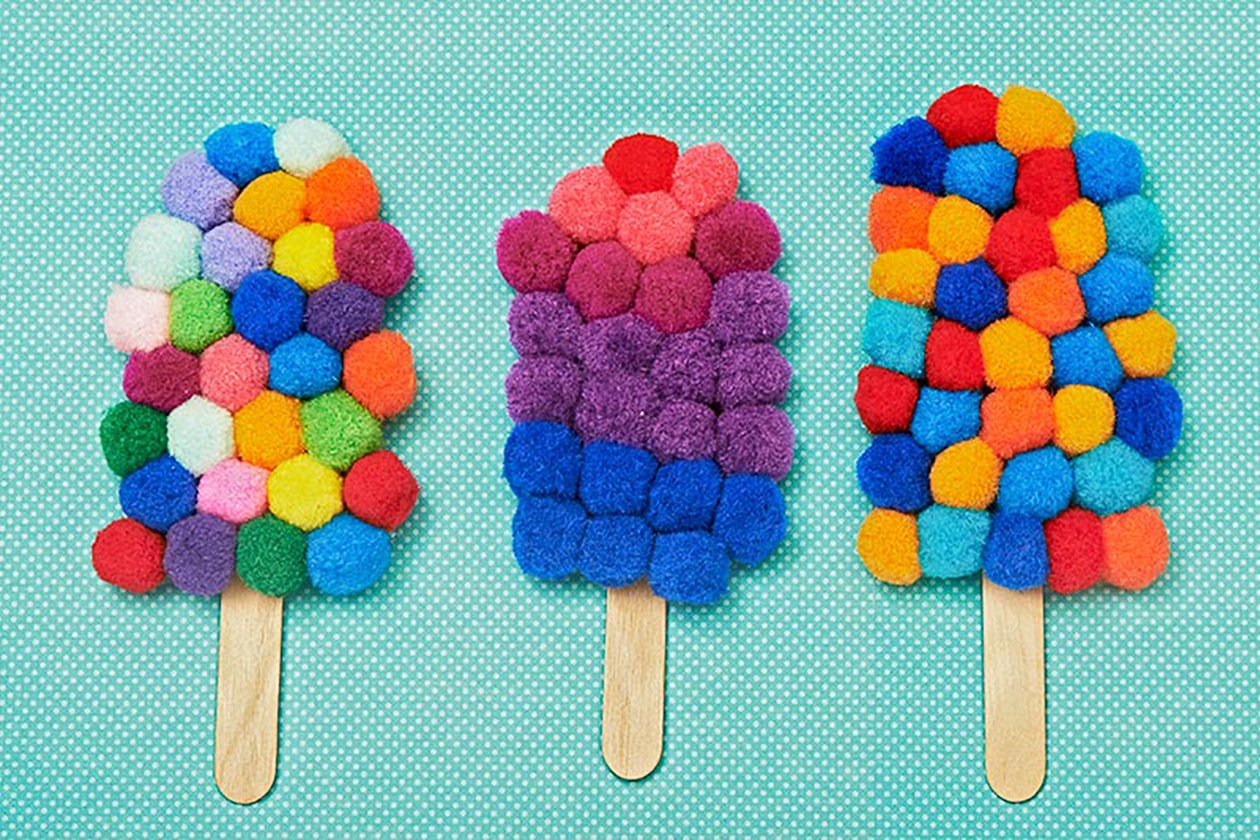
Popsicle sticks can become picture frames, tiny houses, bookmarks, or animals. This is a genuine beginner engineering project: kids plan a structure, test joints, and problem-solve when pieces wobble. If using a hot glue gun, an adult should handle it — burns are the most common craft injury. For younger children, white craft glue works fine with a little patience.
7. DIY Rock Painting (Ages 5+)
Time: 20–30 minutes plus drying. You need: smooth stones, acrylic paint pens or washable paint, clear sealant (optional).
Smooth stones become ladybugs, smiley faces, or tiny landscapes. Wash and dry the rocks first so paint adheres. Acrylic paint pens give the best control for detail work; seal with a clear coat if the rocks will live outdoors. Kids love hiding painted rocks around the neighborhood for others to find — a kindness project disguised as art.
Craft Safety by Age
- Under 5: washable, non-toxic supplies only; no small parts that fit through a toilet-paper tube; blunt-tip scissors; constant supervision.
- Ages 5–8: introduce pointed scissors and white glue; supervise cutting; keep hot glue guns adult-only.
- Ages 9+: low-temp glue guns and craft knives with direct supervision; teach them to cut away from the body.
- Always: cover the table (old shower curtains work brilliantly), keep wipes handy, and ventilate when using sealants or spray products.
Making Craft Time More Enjoyable
The goal of children’s crafting should be creativity rather than perfection. Instead of correcting a child’s work, ask questions about it: “Tell me about this part” builds more confidence than “that’s wrong.” Set up a small crafting station with paper, glue, crayons, washable paints, scissors, and recyclables so kids can start on their own.
Crafting together is also quality family time. Working side by side on a project creates the kind of unhurried conversation that’s hard to schedule — and if you’re planning a full family day out, our guide to kids-eat-free deals can help you plan an affordable meal around it.
Frequently Asked Questions
What are easy craft ideas for toddlers?
Paper plate animals, paper butterflies, and simple greeting cards — all use washable supplies, take under 20 minutes, and need no sharp tools.
What crafts can kids make with household items?
Toilet paper roll characters, paper plate animals, and nature collages need nothing you’d have to buy specially.
How do I keep craft time from becoming a mess?
Cover the table with an old shower curtain or tablecloth, use washable paints and markers, keep wipes within reach, and have kids wear old clothes or aprons.
At what age can kids use scissors safely?
Most children can use blunt-tip safety scissors with supervision from around age 3–4, and pointed scissors from about 6. Always supervise cutting.
Final Thoughts: More Craft Ideas for Kids
You don’t need expensive supplies or elaborate plans — the best craft ideas for kids start with what’s already in your recycling bin. Pick a project that matches your child’s age, set up the table, and let them lead. The crooked, gluey, glitter-covered results are exactly the point.