
This article is for general information only and is not medical advice. If you have concerns about your teeth or gums, see a qualified dentist.
If you’ve come across the name “DTCoralbsel” in connection with direct-to-consumer dental wellness, you may be wondering what it is. Here’s the honest position: I could not independently verify DTCoralbsel as a specific, operating brand or product. The name appears in online content describing a direct-to-consumer oral wellness concept — typically involving at-home saliva test kits, personalized oral care products, and app-based tracking. This guide explains the broader trend it points to: DTC oral microbiome testing and personalized dental wellness. I’ll cover what these services generally offer, what the science actually says, their limitations, and the proven basics of oral health — so you can evaluate any product in this space wisely.
What Is Direct-to-Consumer Dental Wellness?
Direct-to-consumer (DTC) dental wellness refers to oral care products and services sold straight to customers — usually online — without going through a dental practice or traditional retailer. The typical model includes an at-home test kit, personalized product recommendations based on the results, and ongoing tracking through an app or online dashboard. The appeal is convenience and personalization: insights about your mouth from your own bathroom, rather than only from twice-yearly checkups.
What Is Oral Microbiome Testing?
Oral microbiome testing is the core idea behind most DTC dental wellness services. The general concept: you provide a saliva sample at home, a laboratory analyzes the bacteria and other microorganisms in it, and you receive a report describing your oral microbial profile. Some services then suggest tailored products — such as specific toothpastes, rinses, or lozenges — based on those results. This is an emerging consumer category, and the quality and clinical usefulness of such tests vary widely.
What Do These Services Typically Offer?
While offerings differ between companies, DTC oral wellness services commonly include some combination of:
- At-home saliva collection kit — mailed to you, returned by post for laboratory analysis.
- A results report — describing the microorganisms detected and how your profile compares to reference ranges.
- Personalized product suggestions — such as toothpaste, mouth rinse, or lozenges selected for your results.
- Tracking over time — repeat testing or an app dashboard to monitor changes.
Treat these as typical category features, not as verified details of any single brand — including DTCoralbsel, whose specific offerings I could not confirm.
What Does the Science Actually Say?
A measured look at the evidence:
- The oral microbiome is real science. Researchers recognize that the mouth hosts a complex community of microorganisms, and that imbalances are associated with gum disease and tooth decay. This is an active research field.
- But it is still young. Scientists are still establishing which microbial patterns reliably predict disease, and how much they add beyond what a dentist can already see and measure.
- Evidence for oral probiotics and prebiotics is preliminary. Some small studies suggest possible benefits, but the evidence base is not yet strong enough to support firm claims about preventing cavities, treating gum disease, or freshening breath.
- Personalized recommendations are only as good as the evidence behind them. A tailored product is not automatically more effective than a standard one.
In short: the underlying biology is legitimate, but many commercial claims run ahead of the evidence. Be sceptical of any product promising to treat or prevent dental disease based on a saliva test alone.
Important Limitations
No DTC kit or personalized product replaces professional dental care. See a qualified dentist promptly if you notice:
- Bleeding gums, especially if persistent
- Tooth pain or sensitivity that doesn’t settle
- Loose teeth or receding gums
- Persistent bad breath despite good hygiene
- Mouth sores that don’t heal within a couple of weeks
Do not try to self-diagnose or self-treat these with consumer wellness products. Also consider data privacy: a saliva test involves your biological data, so check how any company stores, uses, and shares it before ordering.
The Proven Basics (What Actually Works)
Whatever you think of DTC innovations, the foundation of oral health remains unglamorous and well-established. Dental professionals widely advise:
- Brush twice a day with fluoride toothpaste, for about two minutes each time.
- Clean between your teeth daily — floss or interdental brushes, where a regular brush can’t reach.
- See a dentist regularly for checkups and professional cleaning, at the interval they recommend.
- Limit sugary foods and drinks, especially between meals.
- Don’t smoke — smoking is a major risk factor for gum disease.
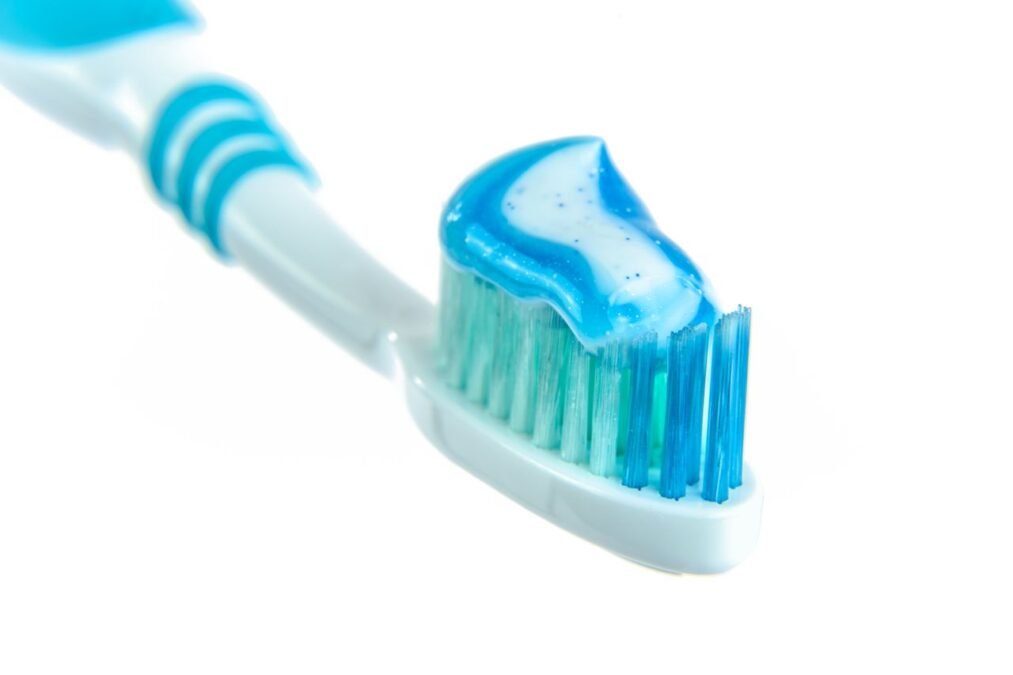
These measures have far stronger evidence behind them than any consumer microbiome product. Get the basics right first; consider novel products only as a possible addition, not a replacement. The American Dental Association publishes evidence-based guidelines on daily oral care.
How to Evaluate a DTC Dental Product
If you’re considering any direct-to-consumer dental wellness product, run through this checklist:
- Are the claims realistic? Be wary of promises to treat, cure, or prevent disease — especially from a test kit.
- Is the evidence cited? Look for references to published research, not just testimonials.
- Does it encourage dental visits? Responsible companies position themselves as a complement to professional care, not a replacement.
- Is pricing transparent? Watch for subscriptions that are hard to cancel.
- What happens to your data? Read the privacy policy for biological sample and health data handling.
- Who’s behind it? Check for qualified dental or scientific advisers, not just marketing.
Related Health Guides
If you’re interested in health technology and at-home wellness trends, you may also find these useful: our look at diagnostic imaging and what it can show, Normatec compression therapy explained, and healthcare technology you can use at home.
Frequently Asked Questions
What is DTCoralbsel?
DTCoralbsel is a name that appears in online content about direct-to-consumer dental wellness — generally describing at-home oral testing and personalized products. I could not independently verify it as a specific, operating brand, so treat detailed product claims about it with caution.
Does oral microbiome testing work?
The underlying science — that oral bacteria relate to dental health — is legitimate and actively researched. But consumer tests vary in quality, and scientists are still establishing how much they add beyond a standard dental examination. Discuss any results with your dentist.
Can DTC dental products replace my dentist?
No. At-home kits and personalized products cannot diagnose disease, take X-rays, or provide treatment. They may complement professional care, but they are not a substitute for it.
Are oral probiotics proven to help?
Evidence is preliminary. Some small studies show possible benefits, but there is not yet strong proof that oral probiotic or prebiotic products prevent cavities, treat gum disease, or cure bad breath.
What should I do about bleeding gums?
See a dentist. Bleeding gums can indicate gum disease, which needs professional assessment. Don’t try to manage it with consumer wellness products alone.
What’s the most effective way to look after my teeth?
The proven basics: brush twice daily with fluoride toothpaste, clean between teeth daily, see a dentist regularly, and limit sugar. These have far stronger evidence than any novel consumer product.
The Bottom Line
DTCoralbsel points to a real trend — direct-to-consumer oral wellness built around microbiome testing and personalization — but the specific brand behind the name couldn’t be verified, and many commercial claims in this space run ahead of the evidence. If you’re curious, use the evaluation checklist above, keep your expectations modest, and never let a consumer product replace your dentist. The most powerful dental wellness tools remain the boring ones: a toothbrush, fluoride toothpaste, floss, and regular checkups.
This article is for general information only and is not medical advice. For personal dental concerns, consult a qualified dentist.