
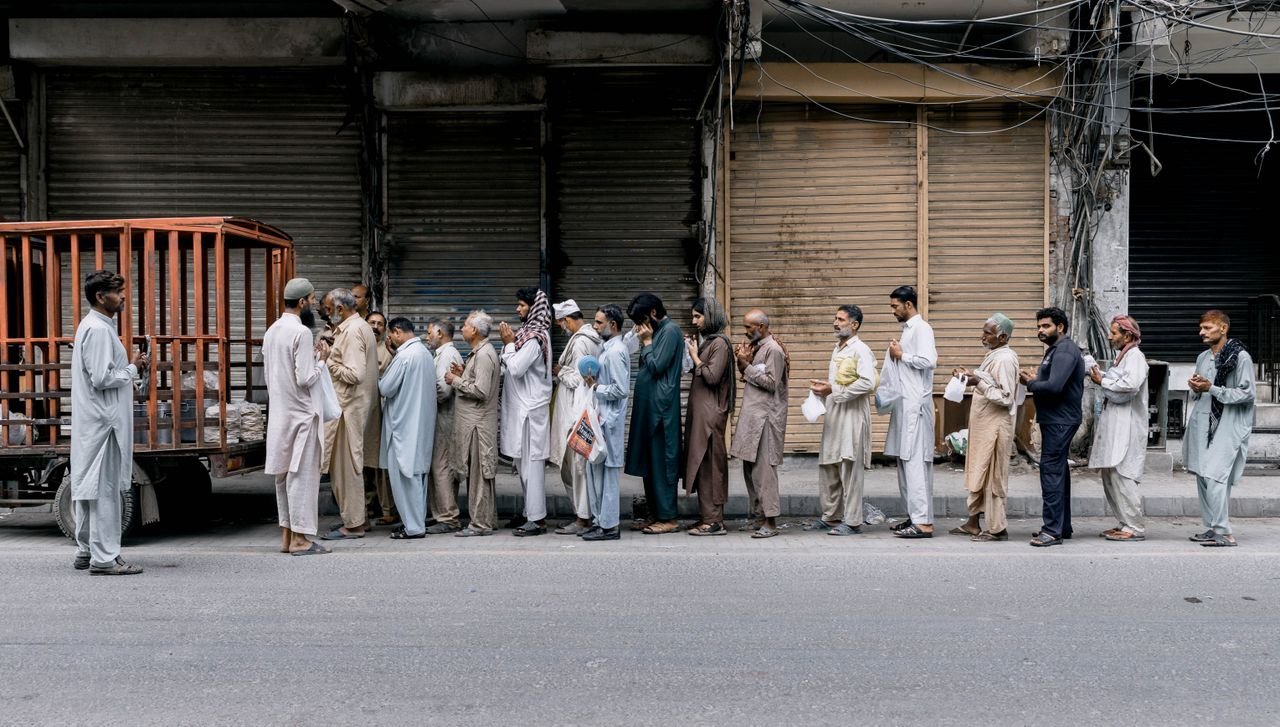

First come, first serve. Four words that govern everything from coffee shop lines to concert ticket sales to operating system task scheduling. It’s the simplest fairness rule ever invented: whoever arrives first gets served first. No favoritism, no bidding wars — just the order of arrival.
But simple doesn’t mean perfect. First come first serve shapes our sense of justice, powers digital systems, and fails in the wrong contexts. Here’s how it works, where it shines, and where it breaks.
Why we instinctively trust First Come First Serve
The appeal is transparency. Join a line, and you know exactly where you stand. No one jumps ahead for being richer or louder. The rule doesn’t care who you are — only when you arrived.
This matters psychologically. Queues replace competition with order. The anxiety of “will I get served?” becomes the calmer “I’m third in line.” That predictability is why we call queuing fair, even when the wait is long. The rule does the deciding, so no one has to play favorites.
First Come First Serve in the digital world
The internet didn’t kill the queue — it digitized it. Concert tickets, limited-edition product drops, and restaurant waitlists all use virtual waiting rooms. You join a digital line; when it’s your turn, you get access. Major sales events run on this principle — see how the Bath & Body Works Black Friday event manages its rush.
But digital queues have a weakness: bots. Automated scripts join faster than any human, buy up inventory, and resell at a markup. Companies fight back with CAPTCHAs, purchase limits, and queue randomization — turning a simple “first come” rule into an arms race.
The principle also runs deep in computing. CPU scheduling, network packet routing, and printer queues all use first-come-first-served algorithms. It’s simple, predictable, and easy to implement — which is why it persists even in complex systems.
When First Come First Serve fails
First come first serve breaks down when urgency matters more than arrival order.
Emergency rooms don’t treat patients in arrival order — they triage by severity. A heart attack jumps ahead of a sprained ankle, and everyone agrees that’s fair. Strict first come first serve here would be unethical.
Scarce, life-saving resources work the same way. Donor organs go to the best medical match, not the longest waiter. The goal is maximizing lives saved, not rewarding patience.
There’s also an opportunity problem. If tickets go on sale at 10am on a workday, “first come” really means “first available at 10am” — favoring flexible schedules and fast internet. The rule is formally fair but substantively unequal. The same applies to job applications and university admissions, where merit matters more than speed.
The future of First Come First Serve: fair plus smart
First come first serve isn’t going away — it’s too simple and too trusted. But the future is hybrid.
Customer service systems already use first come first serve for general inquiries while escalating urgent cases. Ticket platforms combine queues with lotteries for high-demand events. Booking systems grant loyal customers early access while keeping a fair queue for everyone else.
The principle survives because it captures something deep about fairness: everyone deserves a place in line. The smart systems of the future will keep that promise while recognizing that not all needs are equal.
Frequently asked questions
What does “first come first serve” mean?
It means people are served in the order they arrive. The first person to join a queue is the first to be helped — no exceptions for status or wealth.
Where is first come first serve used?
Retail lines, ticket sales, restaurant waitlists, CPU scheduling, network routing, and customer service queues. It’s the default fairness rule when no other priority applies.
Is first come first serve always fair?
No. It’s impartial, but it ignores urgency, need, and unequal opportunity. Emergency rooms, organ transplants, and other high-stakes allocations use triage or need-based systems instead.
How do companies stop bots from exploiting first come first serve?
With CAPTCHAs, virtual waiting rooms, purchase limits, queue randomization, and bot detection. It’s an ongoing arms race between scalpers and platforms.
The bottom line
First come first serve endures because it’s the simplest credible promise of fairness: your place in line is yours. It works beautifully for coffee shops and customer service, struggles with bots and scalpers, and fails where urgency matters more than arrival. The wisest systems keep the queue — but know when to let someone jump it.
For more explainers on how the world works, explore nowitstrend.
For more smart shopping strategies, learn whether Home Depot price matches to maximize your savings.