
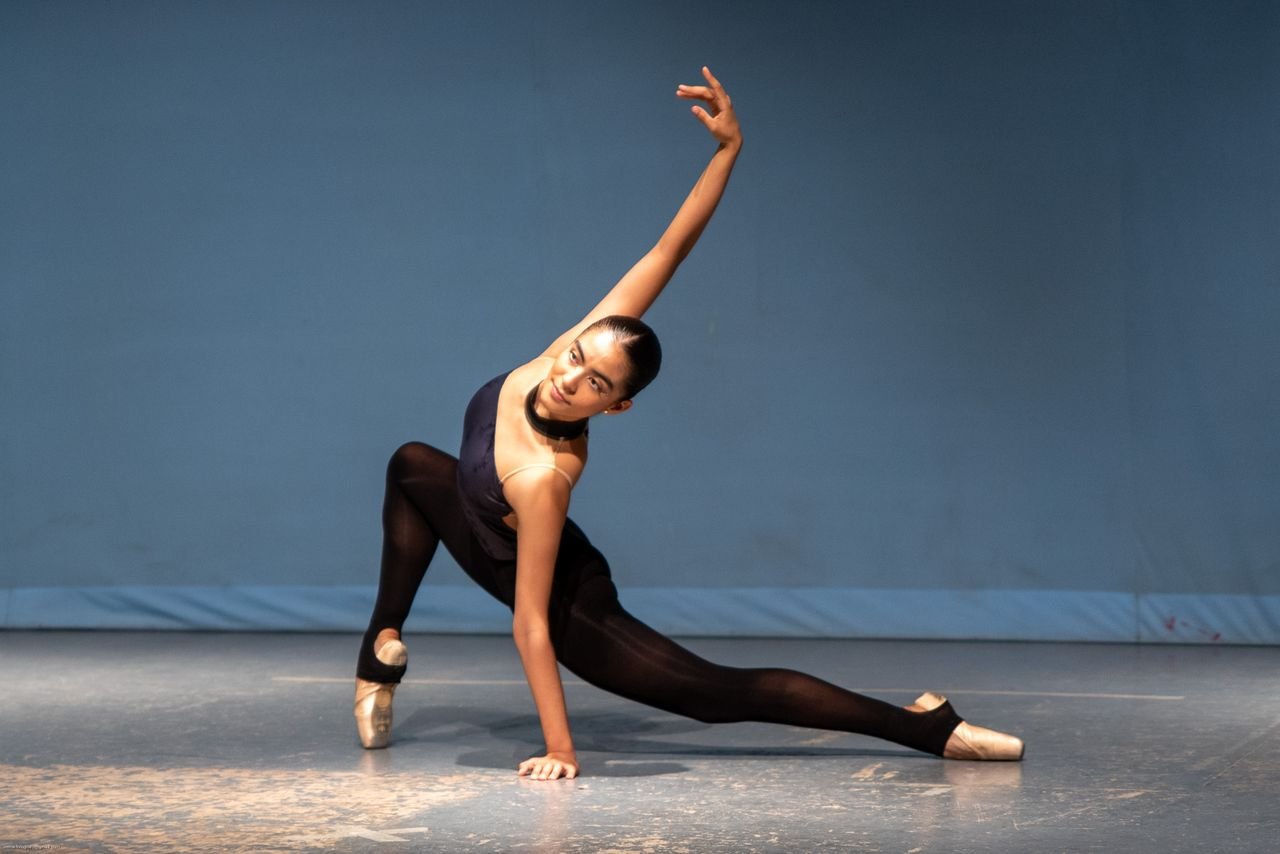

Learning how to improve flexibility for dancing can transform your movement — higher extensions, deeper pliés, smoother transitions, and fewer injuries. The short answer: warm up before every session, use dynamic stretches before dancing and static stretches after, build strength alongside flexibility, and stretch consistently (even 10 minutes daily beats one long weekly session).
This guide breaks down nine proven strategies dancers actually use, plus the recovery habits and common mistakes that make or break your progress.
Why Flexibility Matters for Dancers
Flexibility lets dancers move their joints through a wider, more comfortable range of motion. That means cleaner lines, higher kicks, deeper lunges, and more expressive movement. It also supports better technique — when muscles and joints move freely, you can hold positions with control instead of fighting your own body.
Just as important, good flexibility reduces injury risk. Tight muscles and limited range of motion force other tissues to compensate, which is how strains and overuse injuries happen. That’s why learning how to improve flexibility for dancing is about more than stretching — it’s about training smart.
How to Improve Flexibility for Dancing: 9 Proven Tips
1. Always Warm Up Before Stretching
Never stretch cold muscles. Spend five to ten minutes on light activity — walking, jogging in place, jumping jacks — until you feel warm and your joints move easily. Warm muscles stretch more safely and respond better than cold ones.
2. Use Dynamic Stretching Before You Dance
Dynamic stretching means controlled movement through your range of motion — leg swings, walking lunges, arm circles, hip openers. It prepares your body for the specific movements of your dance style. Keep it controlled; no aggressive bouncing or forcing.
3. Save Static Stretching for After Training
Static stretching — holding a position for 20 to 30 seconds — works best after dancing, when muscles are warm and fatigued. Focus on hamstrings, hip flexors, calves, quads, and back. A mild pulling sensation is normal; sharp pain means stop.
4. Target the Muscles Your Style Demands
Different dance styles stress different areas. Ballet demands hip turnout and hamstring length; hip-hop needs ankle, knee, and spinal mobility; contemporary asks a lot of the back and shoulders. Identify the movements that feel restricted in your style and prioritize those areas rather than stretching everything equally.
5. Build Strength Alongside Flexibility
Flexibility without strength is instability. Strong muscles control your range of motion and protect your joints — which is what lets you hold a high extension instead of just reaching it. Squats, lunges, calf raises, glute bridges, and controlled leg lifts all complement a stretching routine.
6. Be Consistent — Small Daily Sessions Win
Ten minutes of stretching every day does more than one marathon session a week. Build it into your routine — after practice, while watching TV, before bed. Track your progress with photos or measurements; small gains compound over weeks and months.
7. Breathe Into Your Stretches
Deep, slow breathing helps muscles relax into a stretch. Exhale as you ease deeper; never hold your breath and strain. If you find yourself tensing up, back off — forcing a stretch triggers the opposite of what you want.
8. Respect Your Body’s Limits
Every dancer has different bone structure, hip sockets, and natural range. Comparing your splits to someone else’s is pointless — and pushing past sharp pain risks real injury. Progress at your own pace, and treat rest days as part of training, not laziness.
9. Prioritize Recovery
Flexibility gains happen between sessions, not during them. Sleep, hydration, and active recovery all matter. Many dancers now use recovery tools like compression therapy to reduce muscle soreness between intense training days, and heat therapy — such as a sauna session — can help tight muscles relax after heavy stretching work.
Dynamic vs Static Stretching: When to Do Each
This is the distinction most beginners learning how to improve flexibility for dancing get wrong. Dynamic stretching (movement-based) belongs in your warm-up; static stretching (hold-based) belongs in your cool-down. Doing long static holds before explosive movement can temporarily reduce power — save them for after.
The American Council on Exercise’s flexibility training guidelines lay out the do’s and don’ts clearly — worth a read if you want the science behind the practice.
Common Flexibility Mistakes to Avoid
- Stretching cold muscles. Always warm up first.
- Bouncing into stretches. Ballistic bouncing risks pulls and tears.
- Holding your breath. Tension blocks progress.
- Only stretching what you’re already good at. Work the tight areas, not just the easy wins.
- Expecting overnight results. Real flexibility takes weeks of consistency.
Frequently Asked Questions
How long does it take to improve flexibility for dancing?
With consistent daily stretching, most dancers notice meaningful improvement in 4 to 8 weeks. Dramatic changes like full splits can take several months depending on your starting point.
Should I stretch every day?
Gentle daily stretching is fine and effective. Just vary the intensity — hard stretching sessions need a rest day between them, like any training.
Is it better to stretch in the morning or evening?
Your body is naturally warmer and more flexible later in the day, so evening sessions often feel more productive. But the best time is whenever you’ll actually do it consistently.
Can adults improve flexibility, or is it too late?
Adults can absolutely improve flexibility at any age. Progress may be slower than for children, but consistent training produces real, lasting gains.
Does strength training hurt flexibility?
No — done through a full range of motion, strength training supports flexibility. The danger is only in neglecting stretching entirely while building muscle.
Final Thoughts
Learning how to improve flexibility for dancing isn’t about suffering through extreme stretches — it’s about smart, consistent habits: warm up, move dynamically before dancing, stretch statically after, build strength, and recover well. Do that daily, and your body will reward you with cleaner lines, bigger movement, and fewer injuries.