
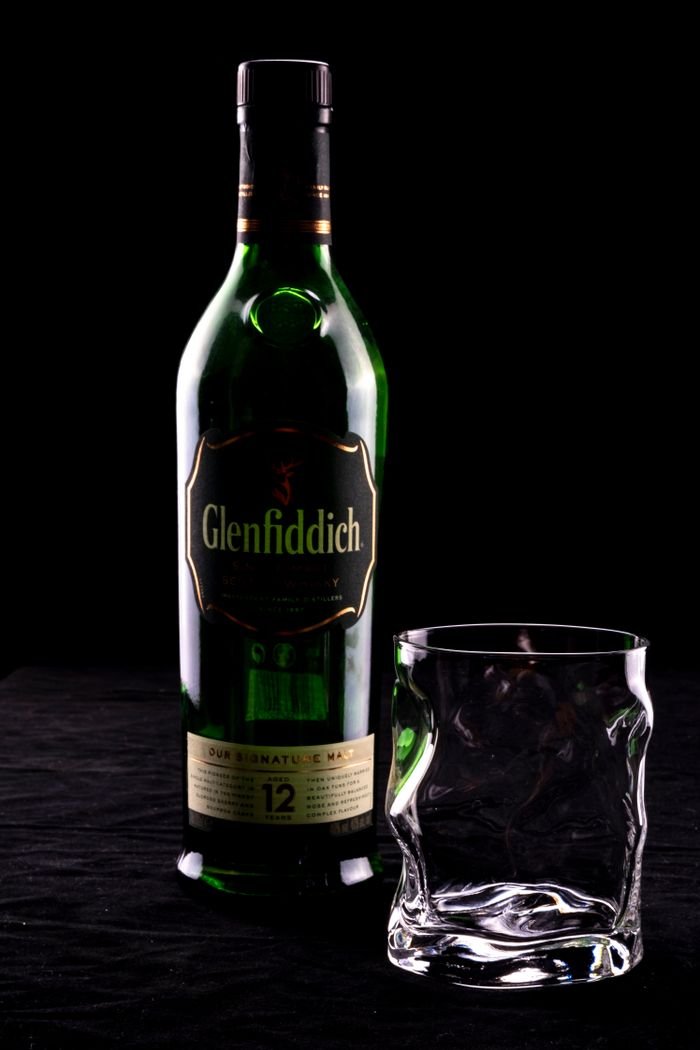

Premium blended Scotch is where the art of whisky-making meets accessibility. Unlike single malts from one distillery, a blended Scotch combines malt and grain whiskies from multiple distilleries — and when done well, the result is smoother, more balanced, and more versatile than most people expect. Brands like Johnnie Walker Blue Label, Chivas Regal 18, and Ballantine’s 17 have built global reputations on exactly this craft.
This guide explains what makes a blended Scotch “premium,” how it’s made, what it tastes like, and how to enjoy it — from neat pours to food pairings to cocktails.
What Is Blended Scotch Whisky?
By law, Scotch whisky must be distilled and matured in Scotland for at least three years in oak casks. A blended Scotch combines two types:
- Malt whisky: Made from malted barley at a single distillery (think the smoky Islay malts or fruity Speyside malts)
- Grain whisky: Made from other grains (wheat, corn) in continuous stills — lighter, smoother, and cheaper to produce
A premium blend uses a higher proportion of well-aged malt whiskies, often with an age statement (12, 18, 21 years) guaranteeing the youngest whisky in the blend. The master blender’s skill is in balancing dozens of components into something greater than the sum of its parts.
What Makes Premium Blended Scotch Different?
Not all blends are equal. A premium blended Scotch typically has:
- Higher malt content: More single malt in the mix means more character and complexity
- Older whiskies: Longer maturation in oak develops deeper flavours — vanilla, dried fruit, spice, smoke
- An age statement: “18 Year Old” means every drop spent at least 18 years in cask
- Balance: No single flavour dominates; the blend is smooth and harmonious
How Does Premium Blended Scotch Taste?
Expect a spectrum depending on the blend, but common notes include:
- Nose: Honey, vanilla, dried fruit, oak, sometimes a wisp of smoke
- Palate: Smooth and rounded — caramel, malt, spice, citrus, dark chocolate
- Finish: Long and warming, with lingering oak and spice
Premium blends tend to be less peaty than Islay single malts, making them more approachable for newcomers while still rewarding experienced drinkers.
The Best Way to Enjoy It
There’s no single “correct” way, but here are the main approaches:
- Neat: Room temperature, in a proper whisky glass (a Glencairn or tumbler). Best for appreciating the full flavour.
- With water: A few drops can “open up” the whisky, releasing aromas and softening the alcohol bite.
- On ice: Chills and dilutes gradually. Convenient, though purists argue it mutes subtle flavours.
- In cocktails: Premium blended Scotch works beautifully in classics like the Rob Roy, Blood and Sand, or a simple Whisky Highball. For a fun whisky-based cocktail recipe, try our Grumpy Old Man Drink.
Pairing Scotch With Food
Scotch and food pair brilliantly when matched thoughtfully:
- Cheese: Aged cheddar or blue cheese with a sherried blend; creamy brie with a lighter, honeyed Scotch
- Chocolate: Dark chocolate (70%+) alongside a rich, oaky blend is a classic combination
- Smoked salmon: A lighter Speyside-style blend complements rather than overpowers
- Dessert: Sticky toffee pudding or crème brûlée with a sweet, vanilla-forward blend
Choosing the Right Premium Blend
If you’re buying your first premium blend:
- Start at 12–18 years: Great value sweet spot — mature enough for complexity, not yet at luxury prices
- Read tasting notes: “Sherried,” “smoky,” “fruity” tell you what to expect
- Consider the occasion: A versatile 12-year-old for everyday; an 18 or 21 for gifts and celebrations
- Don’t overpay for age alone: Older isn’t automatically better — blending skill matters more than the number
Frequently Asked Questions
What is the difference between blended and single malt Scotch?
Single malt comes from one distillery and uses only malted barley. Blended Scotch combines malt whiskies from multiple distilleries with lighter grain whisky, creating a smoother, more consistent product.
How long must Scotch be aged?
By law, Scotch whisky must mature in oak casks in Scotland for at least three years. Premium blends often carry age statements of 12, 18, or 21 years.
What are some famous premium blended Scotch brands?
Johnnie Walker (Blue Label, Gold Label), Chivas Regal (18, 25), Ballantine’s (17, 21), Dewar’s (18), and Compass Box are among the most respected premium blends.
Should you add water to Scotch?
A few drops of water can open up flavours and aromas, especially in higher-proof whiskies. It’s personal preference — try it both ways and see what you prefer.
The Bottom Line
Premium blended Scotch deserves more respect than it often gets. Behind every great blend is a master blender balancing dozens of whiskies into something smooth, complex, and versatile. Whether neat, with water, or in a cocktail, a well-chosen premium blend is one of whisky’s best values.