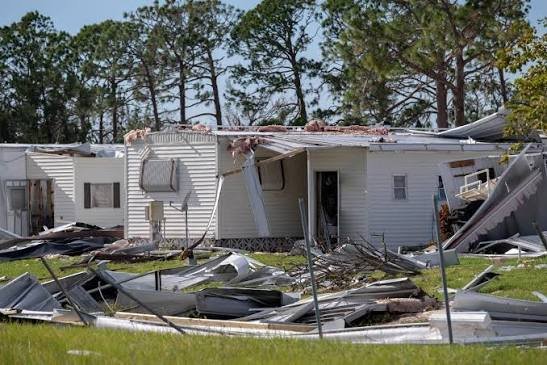
Storm Damage Restoration
Storm damage restoration is an important process for homeowners and businesses dealing with the aftermath of severe weather. Strong winds, heavy rain, hail, flooding, and fallen trees can cause serious damage to roofs, walls, windows, flooring, electrical systems, and personal belongings. Knowing what to do after a storm can make the recovery process easier and help prevent additional problems.
What Is Storm Damage Restoration?
Storm damage restoration refers to the process of repairing and restoring a property after it has been affected by severe weather. The work can range from removing fallen branches and repairing a damaged roof to drying water-soaked rooms and replacing destroyed materials.
Unlike ordinary home repairs, storm restoration often requires quick action. Water can spread through walls and flooring, while exposed areas of a building can become more vulnerable to additional rain and wind. A professional restoration team can inspect the property, identify the damage, and create a plan for bringing the building back to a safe and usable condition.
Common Types of Storm Damage
Storms can affect properties in many different ways. One of the most common problems is roof damage. High winds and hail can loosen shingles, crack roofing materials, or create openings where rainwater can enter.
Water damage is another major concern. Heavy rainfall can cause leaks, flooding, and moisture buildup inside the property. If water is not removed quickly, it may damage drywall, flooring, furniture, and other belongings.
Storms can also cause structural damage. Fallen trees, broken branches, and strong winds may damage walls, doors, windows, garages, and fences. In some situations, electrical systems may also be affected, creating additional safety concerns.
Why Quick Restoration Matters
Taking action quickly after a storm can help reduce the overall damage. Even a small roof opening can allow a significant amount of water into a building during continued rainfall. Moisture that remains inside walls, ceilings, or flooring can also create conditions that encourage mold growth.
Quick restoration does not necessarily mean rushing into repairs without an inspection. The first priority should be safety. Once the property is safe to enter, the damage can be documented and assessed so that the appropriate restoration steps can begin.
The Storm Damage Restoration Process
The restoration process usually starts with an inspection. Professionals examine the property to determine which areas have been damaged and whether there are hidden problems that may not be immediately visible.
The next step may involve emergency protection. This can include covering damaged sections of a roof, boarding up broken windows, or taking other temporary measures to protect the building from further weather exposure.
If water has entered the property, water removal and drying become important parts of the process. Restoration professionals may use specialized equipment to remove standing water and dry affected materials.
After the property is dry and secure, damaged materials can be repaired or replaced. This might include roofing, drywall, insulation, flooring, windows, doors, or other structural components. The final stage focuses on returning the property to a comfortable and functional condition.
Dealing With Water and Mold
Water damage should never be ignored after a storm. Moisture can sometimes remain hidden behind walls, beneath flooring, or inside ceilings. This is why a professional inspection can be useful even when the visible damage appears minor.
If moisture remains for too long, mold can become another concern. Proper drying, cleaning, and moisture control can help reduce the risk of long-term problems. Materials that cannot be safely restored may need to be removed and replaced.
What Property Owners Should Do After a Storm
After a severe storm, property owners should first make sure everyone is safe. Avoid areas with exposed electrical wires, unstable structures, or significant flooding.
Once it is safe, take photographs and videos of the damage. These records can be useful when communicating with an insurance company. Avoid making unnecessary permanent repairs before the damage has been properly documented, although temporary steps to prevent additional damage may be necessary.
It is also helpful to contact a qualified restoration company as soon as practical. Experienced professionals can help identify visible and hidden damage and explain which repairs may be required.
Storm Damage and Insurance
Insurance coverage can vary depending on the policy and the type of storm damage involved. Some policies may cover certain forms of wind or hail damage, while other situations may have different requirements or exclusions.
Property owners should review their insurance policy and contact their insurer when appropriate. Keeping photographs, receipts, repair estimates, and other documentation can help maintain an organized record of the restoration process.
Choosing a Storm Damage Restoration Company
Choosing the right restoration company can make the recovery process more manageable. Look for a company with experience handling the specific type of storm damage affecting your property.
It is also useful to ask about inspections, emergency services, drying equipment, repair work, and communication throughout the project. Clear explanations and written estimates can help property owners understand what work is being performed.
Final Thoughts
Storm damage can be stressful, but a clear restoration plan can make the situation easier to manage. From the initial inspection and emergency protection to water removal, repairs, and final cleanup, each stage plays an important role in restoring a damaged property.
The key is to prioritize safety, document the damage, address water and structural problems promptly, and work with qualified professionals when specialized restoration is needed. With the right approach, homeowners and businesses can move from storm damage toward a safe, comfortable, and fully restored property.
you may also read nowitstrend.
About the Author