
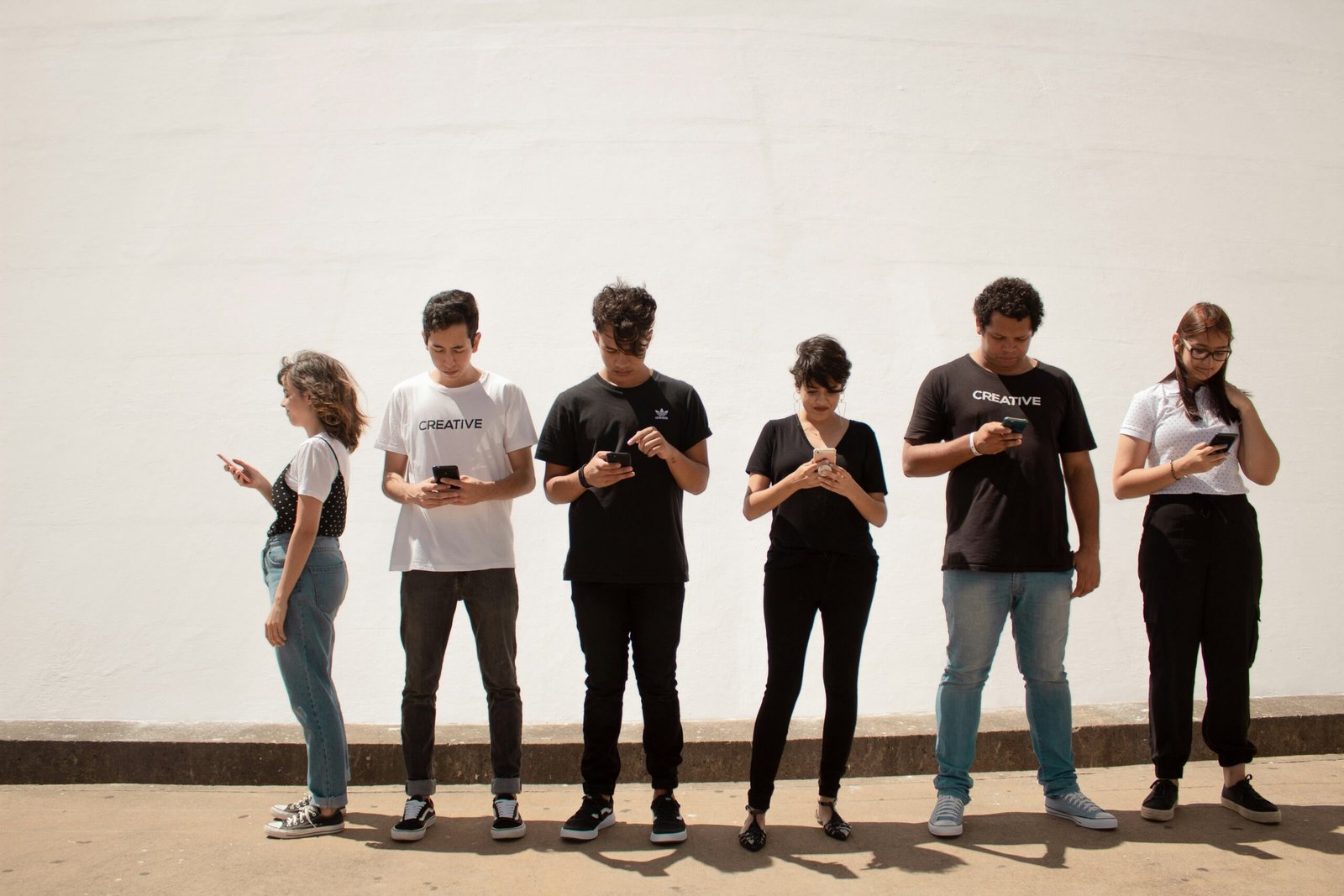

If you’ve overheard your teenager shout “six-seven!” across the dinner table, watched them type “no cap” in a family group chat, or wondered why everything is suddenly “giving”, this guide is for you. Teen slang in 2026 moves at the speed of TikTok: a word is born in a livestream on Monday, explodes across group chats by Friday, and can sound like ancient history by the following month.
Whether you want to understand what your child is actually saying, spot the warning signs hidden inside their messages, or simply survive the next car journey without feeling like a confused extra in their life, this parent’s guide decodes 120+ teen slang words and their real meanings — from everyday greetings to the risky, hidden-meaning terms every parent should recognise. We also explain why slang changes so fast and how to talk to your teen about it without being intrusive (or, as they’d put it, cringe).
What Is Teen Slang — and Why Do Teens Use It?
Teen slang is the informal, fast-changing vocabulary teenagers use with each other — in person, in group chats, on TikTok, and in gaming lobbies. Every generation has had its own version (your parents had theirs, and you had yours), so the instinct itself is nothing new. What is new in 2026 is the velocity: social media has turned what used to take years of playground evolution into a cycle of weeks. It’s also worth knowing that much of today’s slang has roots in African American Vernacular English (AAVE) — words born in Black culture get picked up by TikTok and streamers, then go mainstream within weeks.
Teens use slang because it does several jobs at once:
- Belonging. Using the right words signals “I’m one of us.” Getting them wrong — or having your mum use them — signals the opposite.
- Identity. Slang lets teens try on personalities: funny, confident, unbothered, cool.
- Privacy. A shared vocabulary keeps conversations semi-private in front of adults. It’s a code, and the code is the point.
- Play and humour. Much of modern slang is deliberately absurd. Shouting “six-seven!” at nothing in particular is funny precisely because it means nothing.
- Speed. In fast-moving chats and game lobbies, short words win. “NGL” is simply faster than “to be honest”.
How Teen Slang Spreads So Fast in 2026
Understanding how slang travels helps you understand why your teen learned a new word between breakfast and dinner. The pipeline looks something like this:
- TikTok and short-form video. A sound or phrase attached to a viral video can put a word in front of millions of teens within hours. The For You Page is the world’s most efficient slang distribution machine.
- Streamers and creators. Streamers have become slang factories: creators like IShowSpeed can turn a throwaway catchphrase into a global trend overnight, simply by saying it on a stream watched by millions.
- Teen influencers. Teen creators such as Salish Matter show how quickly language now travels between fandoms and friend groups — fans copy the words of the creators they admire.
- Gaming lobbies and Discord. Competitive games need fast callouts, and voice chat rewards short, punchy words. Many make the jump from games into everyday speech.
- Group chats. The final testing ground. If a word survives the group chat, it graduates into real life.
The result is a language that updates like software — constantly, and without asking your permission first.
120+ Teen Slang Words & Meanings: The 2026 Parent’s Dictionary
Here are the teen slang words you’re most likely to hear (or read over their shoulder) right now, organised by where you’ll encounter them. Meanings are the widely understood 2026 usage.
Greetings & Everyday Chat
| Slang | What it means | Example |
|---|---|---|
| 6-7 | A viral chant from 2025–26, from a song referencing basketballer LaMelo Ball’s 6’7″ height. Shouted randomly for fun — it means nothing, and that’s the joke. | “Six-seven!” (usually yelled, context optional) |
| Bet | Yes / agreed / it’s a deal. | “Pizza tonight?” “Bet.” |
| No cap | No lie; I’m being completely honest. | “That film was amazing, no cap.” |
| Cap / That’s cap | A lie; untrue. | “He said he scored 40? That’s cap.” |
| Fr (for real) | Seriously; I agree. | “This homework is impossible, fr.” |
| Ong (on God) | I swear; honestly. | “Ong, I didn’t take your charger.” |
| Lowkey | Secretly, or to a small degree. | “I lowkey want to leave.” |
| Highkey | Openly; very much. | “I highkey love this song.” |
| Say less | Understood — no need to explain further. | “Bring snacks and I’ll handle the rest.” “Say less.” |
| It’s giving… | It has the vibe of… | “It’s giving main character energy.” |
| Slaps | Sounds great (usually music or food). | “This playlist slaps.” |
| Hits different | Feels uniquely good or special. | “Hot chocolate in winter hits different.” |
| Valid | Good; acceptable; reasonable. | “That’s a valid point.” |
| Mid | Mediocre; unimpressive. | “The sequel was mid.” |
| Sus | Suspicious; shady. | “He’s acting sus today.” |
| Skibidi | A nonsense word from the viral Skibidi Toilet series, now used as a random adjective or exclamation. | “What the skibidi is happening?” |
Compliments & Hype
Teens hype each other up constantly — here’s the vocabulary of the compliment.
| Slang | What it means | Example |
|---|---|---|
| Ate | Did something perfectly; nailed it. | “She ate that performance.” |
| No crumbs | Left nothing behind — flawless (almost always paired with “ate”). | “Ate and left no crumbs.” |
| Glow up | A big positive transformation in looks or confidence. | “His glow up this year is unreal.” |
| Drip | A stylish outfit or appearance. | “Check the drip on those trainers.” |
| Rizz | Charm, especially the ability to flirt successfully (from “charisma”). | “He’s got rizz.” |
| W rizz / L rizz | Good flirting game / bad flirting game (W = win, L = loss). | “That was L rizz, mate.” |
| Aura | Coolness points; personal presence. Gained or lost in dramatic amounts. | “+1000 aura for that goal.” / “−1000 aura, never do that again.” |
| Aura farming | Deliberately doing things to look cool and gain “aura”. | “He’s just aura farming for the camera.” |
| GOAT | Greatest Of All Time. | “She’s the GOAT of maths.” |
| Elite | Top-tier; the best. | “This takeaway is elite.” |
| Clean | Looks sharp; done well. | “That haircut is clean.” |
| Baddie | An attractive, confident person. | “She’s such a baddie.” |
| Snatched | Looking great; on point (especially outfit or make-up). | “Her eyeliner is snatched.” |
| Mogged | Outclassed in looks by someone nearby (from “AMOG” — alpha male of the group). | “I got mogged standing next to him.” |
Viral & Meme Slang (2025–26)
These are the words born on TikTok, Twitch and YouTube in the last year — the ones most likely to confuse you at the dinner table. They age fast, but right now they’re everywhere.
| Slang | What it means | Example |
|---|---|---|
| GYATT | A loud exclamation when someone attractive walks by (from “goddamn”). | “GYATT — did you see that?!” |
| Fanum tax | Stealing a bite of a friend’s food (named after streamer Fanum, who joked about taxing his friends’ meals). | “He took my fries — that’s the fanum tax.” |
| Ohio | Weird, cringe or cursed — from the “only in Ohio” meme. | “That video is so Ohio.” |
| Mewing | Pressing your tongue to the roof of your mouth for a sharper jawline; jokingly, it also means giving someone the silent treatment. | “He’s mewing instead of answering.” |
| Looksmaxxing | Trying to maximise your attractiveness — gym, style, grooming. | “He’s looksmaxxing for prom.” |
| Tuff | Cool, impressive, tough. | “That jacket is tuff.” |
| Rizzler | Someone with serious rizz — a smooth flirt. | “He’s a certified rizzler.” |
| We’re so back / It’s so over | Dramatic phrases for things going great — or terribly. | “We won the match? We’re so back!” |
| Glaze | To hype someone up excessively, usually past the point of sincerity. | “Stop glazing him — he’s not that good.” |
Texting & Social Media Slang
This is where most teen slang lives. If you’re decoding your teen’s phone (with permission, of course), start here.

| Slang | What it means | Example |
|---|---|---|
| NGL | Not gonna lie. | “NGL, I’m nervous about tomorrow.” |
| IYKYK | If you know, you know — an in-joke for insiders. | (caption on a cryptic photo) |
| IMO / IMHO | In my (humble) opinion. | “IMO the first season was better.” |
| POV | Point of view — a video format showing a scenario from your perspective. | “POV: it’s Monday morning.” |
| FYP | For You Page — TikTok’s main feed. | “This is all over my FYP.” |
| Ratio | When replies outnumber likes on a post — a very public L. | “He got ratioed in the comments.” |
| Ship | To want two people to become a couple. | “I ship them so hard.” |
| Stan | An obsessive, devoted fan. | “She stans that band.” |
| Delulu | Delusional — but playfully, usually about a crush or daydream. | “I’m delulu for thinking he’d notice me.” |
| Era | A phase or chapter of life. | “I’m in my gym era.” |
| Canon event | An unavoidable life experience everyone goes through. | “Failing your first driving test is a canon event.” |
| Lore | Someone’s backstory or history. | “That’s deep in her lore.” |
| NPC | A boring, predictable person — like a background character in a game. | “He’s such an NPC.” |
| Touch grass | Go outside; log off; get perspective. | “You’ve been gaming for 9 hours — touch grass.” |
| Brain rot | Low-quality, addictive content — or the fried feeling after consuming it. | “My FYP is pure brain rot.” |
| Side eye | A suspicious or disapproving look. | “bombastic side eye” (a meme phrase) |
| Understood the assignment | Nailed it; did exactly what was needed. | “This outfit understood the assignment.” |
Secret Text Codes Every Parent Should Know
Beyond slang words, teens use coded abbreviations — some are innocent shorthand, others are designed to hide the conversation from adults. If you spot these on your teen’s screen, here’s what they mean.
| Code | What it means | Example |
|---|---|---|
| POS | “Parent over shoulder” — a warning that you’re reading. | “POS, delete this.” |
| PIR | “Parent in room” — time to stop typing. | “PIR, talk later.” |
| 143 | “I love you” (1 letter, 4 letters, 3 letters). | “143, goodnight.” |
| CD9 | “Code 9” — parents are around. | “CD9, can’t talk.” |
| WYD | “What are you doing?” | “WYD this weekend?” |
| WYLL | “What you look like?” — often used by strangers to ask for photos; a cue to be careful. | “WYLL? Send a pic.” |
| PMO | “Put me on” (recommend me something) — or “pisses me off”. | “PMO to some new music.” |
| SMH | “Shaking my head” — disbelief or disappointment. | “You did what? SMH.” |
Gaming Slang
A huge amount of teen slang starts in games and escapes into real life. If your teen games, you’ll hear these at full volume.
| Slang | What it means | Example |
|---|---|---|
| GG | Good game — said at the end of a match. | “GG, well played.” |
| Noob | A beginner (sometimes affectionate, sometimes not). | “Don’t worry, we were all noobs once.” |
| OP | Overpowered — unfairly strong. | “That weapon is so OP.” |
| Nerf / Buff | To weaken / strengthen something in a game update. | “They nerfed my favourite character.” |
| Clutch | Winning under extreme pressure. | “That 1v3 was so clutch.” |
| Diff | The difference-maker between teams. | “Healer diff.” |
| Sweat | A try-hard player who takes every match ultra-seriously. | “Relax, you sweat.” |
| Carry | To lead your team to victory almost single-handedly. | “She carried the whole squad.” |
| Tilted | Frustrated and playing worse because of it. | “I’m tilted, I need a break.” |
| W / L | Win / loss — used far beyond gaming now. | “Big W today.” / “That’s an L.” |
| EZ | Easy — a taunt after winning. | “EZ game.” |
| Spawn | Where players enter the game world. | “Meet at spawn.” |
| Camper | A player who hides in one spot waiting for kills. | “Stop camping, you camper.” |
| Lag | Connection delay — the universal excuse. | “I died because of lag!” |
School & Social Life
| Slang | What it means | Example |
|---|---|---|
| Lock in | To focus hard; get serious. | “Exams next week — time to lock in.” |
| Locked in | Fully focused and in the zone. | “She’s locked in on revision.” |
| Cooked | Done for; in trouble — or exhausted. | “I forgot my coursework. I’m cooked.” |
| Let him cook | Let him do his thing; don’t interrupt. | “He’s on a roll — let him cook.” |
| Crash out | To lose control or act recklessly, often emotionally. | “He’s about to crash out over this.” |
| Chopped | Unattractive (a harsh insult). | “That’s a chopped haircut.” |
| Cheugy | Outdated; trying too hard to be trendy. | “Those memes are cheugy now.” |
| Opps | Opponents; enemies; rivals. | “Watch out for the opps.” |
| Beef | A conflict or feud. | “They’ve got beef since last term.” |
| Tea / Spill the tea | Gossip; share the gossip. | “Spill the tea, what happened?” |
| Flex | To show off. | “He’s just flexing his new phone.” |
| Salty | Bitter or upset about something. | “He’s salty about losing.” |
| Pressed | Upset or stressed about something. | “Don’t get pressed over a game.” |
| Rent free | Living in your head — you can’t stop thinking about it. | “That song lives rent free in my mind.” |
| Bestie | Close friend — sometimes used sarcastically. | “Calm down, bestie.” |
Emoji Meanings Parents Often Miss
Sometimes teens don’t use words at all — a single emoji can carry a whole hidden meaning. These are the ones most likely to be misunderstood.
| Emoji | Hidden meaning | Example |
|---|---|---|
| 🍑 | A butt — used for sexualised comments. | “Check out the 🍑 on…” |
| 🍆 | Sexual innuendo. | Crude jokes between friends. |
| 💦 | Sexual innuendo. | Often paired with the above. |
| 🔌 | A “plug” — someone who sells drugs. | “Got the 🔌?” |
| ❄️ | Cocaine. | Party contexts and captions. |
| 🍃 | Weed / marijuana. | “🍃 tonight?” |
| 🧢 | “Cap” — a lie. | “That’s 🧢.” |
| 🐐 | GOAT — greatest of all time. | “She’s the 🐐.” |
| 💅 | Unbothered, sassy confidence. | “Anyway 💅” |
| 🫡 | Respect — “understood, will do”. | “🫡 on it.” |
Risky Teen Slang: Hidden Meanings Parents Must Know
Most teen slang is harmless fun. But some terms carry hidden meanings related to self-harm, drugs, or sexual behaviour — and because they’re designed to fly under the radar, parents are often the last to know. This section is factual, not fear-mongering: the goal is awareness, not panic.
| Term | Hidden meaning | Why it matters |
|---|---|---|
| KYS | “Kill yourself” | Often thrown around as a “joke” in gaming chats, but it normalises cruel language — and occasionally masks real hostility or bullying. |
| KMS | “Kill myself” | Usually said dramatically (“KMS, this homework”), but repeated use can signal genuine distress. Always worth a calm check-in. |
| Unalive | A euphemism for kill / dead / suicide, used to dodge content filters | Often joking, but it can also mask serious conversations about self-harm that algorithms — and parents — might miss. |
| 304 | Spells an insult for a promiscuous girl on a calculator display | Used to shame girls online; a red flag for harassment. |
| Plug | A drug dealer | “I know a plug” means access to illegal substances. |
| Cart | A THC vape cartridge | Vaping slang that specifically means cannabis, not nicotine. |
| Za / Zaza | High-grade cannabis | Common in music and social captions; easy to miss. |
| Snow | Cocaine | Appears in party contexts and lyrics; rarely innocent. |
| Body count | Number of sexual partners | Signals sexualised conversation; context matters hugely. |
| Sneaky link | A secret hookup or hidden relationship | Secrecy is the point — worth understanding, not interrogating. |
| GNOC | “Get naked on camera” | A grooming red flag. If your teen receives this, it’s serious. |
| CU46 | “See you for sex” | Coded sexual solicitation, designed to look innocent to adults. |
| LMIRL | “Let’s meet in real life” | Concerning when it comes from strangers online. |
| DTF | “Down to f***” | Casual-sex solicitation; if it comes from a stranger, it’s a serious red flag. |
| 420 | Cannabis reference | Signals drug culture; shows up in bios, captions and meetup plans. |
| Bars | Xanax pills (2mg “bars”) | Prescription-drug slang — “I took a bar” is never innocent. |
| Smash | Casual sex (from the “smash or pass” game) | Sexualised rating games; context matters hugely. |
| FWB | “Friends with benefits” | A sexual relationship without commitment; worth a calm conversation. |
What to do if you spot these: don’t panic, and don’t lead with punishment — that just teaches your teen to hide things better. Stay calm, ask open questions, and listen more than you lecture. If anything suggests self-harm, bullying, or exploitation, treat it seriously and consider speaking to a counsellor, teacher, or a trusted helpline. If you’d like a second opinion on what’s normal online, Common Sense Media publishes research-backed parent guides on apps, games and teen behaviour.
Why Teen Slang Changes So Quickly
If you feel like you can’t keep up, that’s because nobody fully can — not even teens. A few forces keep the treadmill running:
- Irony layers. Words get used sarcastically until the sarcastic meaning becomes the real one, then the cycle repeats. Today’s sincere compliment is tomorrow’s joke.
- The cringe cycle. The moment adults and brands start using a word (“How do you do, fellow kids?”), teens abandon it. Your using their slang literally kills it — which is oddly useful leverage.
- Algorithmic churn. Platforms reward novelty, so creators constantly mint new phrases to stand out. The feed never lets language settle.
- Global remix. UK drill, US hip-hop, K-pop fandoms and gaming communities all feed the same pool, so slang now arrives from every direction at once.
The practical takeaway: don’t try to memorise every word. Learn the patterns — and the risky terms above — and you’ll understand 90% of what you hear.
How to Talk to Your Teen About Slang (Without Being Intrusive)
You don’t need to become fluent. You need to stay approachable. Here’s what actually works:
- Ask with genuine curiosity, not suspicion. “What does ‘no crumbs’ mean?” asked lightly over dinner works. Asked while staring at their phone, it feels like surveillance.
- Let them be the expert. Teens love explaining their world to an adult who actually listens. You’ll learn the slang and get them talking — a double win.
- Don’t perform their slang back at them. Nothing ends a conversation faster than a parent saying “that’s so bussin”. Use it wrong once and you’ll never be told another word again.
- Use shared media moments. Watching a show or scrolling together creates natural openings: “What did they mean by that?” beats a formal sit-down every time.
- Draw the line at harmful language. It’s fine not to know what “mogged” means. It’s not fine to ignore “KYS” used as a joke — calmly explain why that word has consequences, whoever says it.
- Focus on safety, not surveillance. Tell them directly: “I’m not trying to read every message — I just want you to tell me if someone sends you something that feels wrong.” Teens cooperate with honesty far more than with monitoring.
Teen Slang FAQs
What does “6-7” mean in teen slang?
“6-7” is a viral chant that exploded in 2025–26, originating from a song referencing basketball player LaMelo Ball’s height (6 feet 7 inches). Teens shout “six-seven!” randomly because it’s funny and absurd — it has no deeper meaning, which is precisely the joke.
What does “rizz” mean?
“Rizz” (from “charisma”) means charm or flirting ability. “W rizz” means someone is smooth; “L rizz” means their flirting failed. It was popularised by streamers and is now mainstream teen vocabulary.
What does “no cap” mean?
“No cap” means “no lie” — the speaker is being completely honest. Its opposite, “cap” or “that’s cap”, means something is a lie. It comes from hip-hop culture and is now universal teen slang.
Why do teens use so much slang?
Slang builds belonging, expresses identity, keeps conversations private from adults, and — thanks to TikTok, streaming and gaming — now spreads faster than ever. It’s normal, healthy social behaviour, even when it sounds like another language.
What does “gyatt” mean?
“GYATT” (from “goddamn”) is an exclamation teens shout when someone attractive walks by. It’s crude but usually playful — still worth a conversation about respectful language.
The Bottom Line
Teen slang in 2026 can feel like a foreign language, but underneath the chaos it’s doing something timeless: helping teenagers belong, express themselves, and have fun. You don’t need to learn all 120+ words in this guide — start with the everyday terms, memorise the risky ones, and keep the conversation open. The parent who asks “what does that mean?” with genuine interest will always understand their teen better than the one who pretends they already know.