
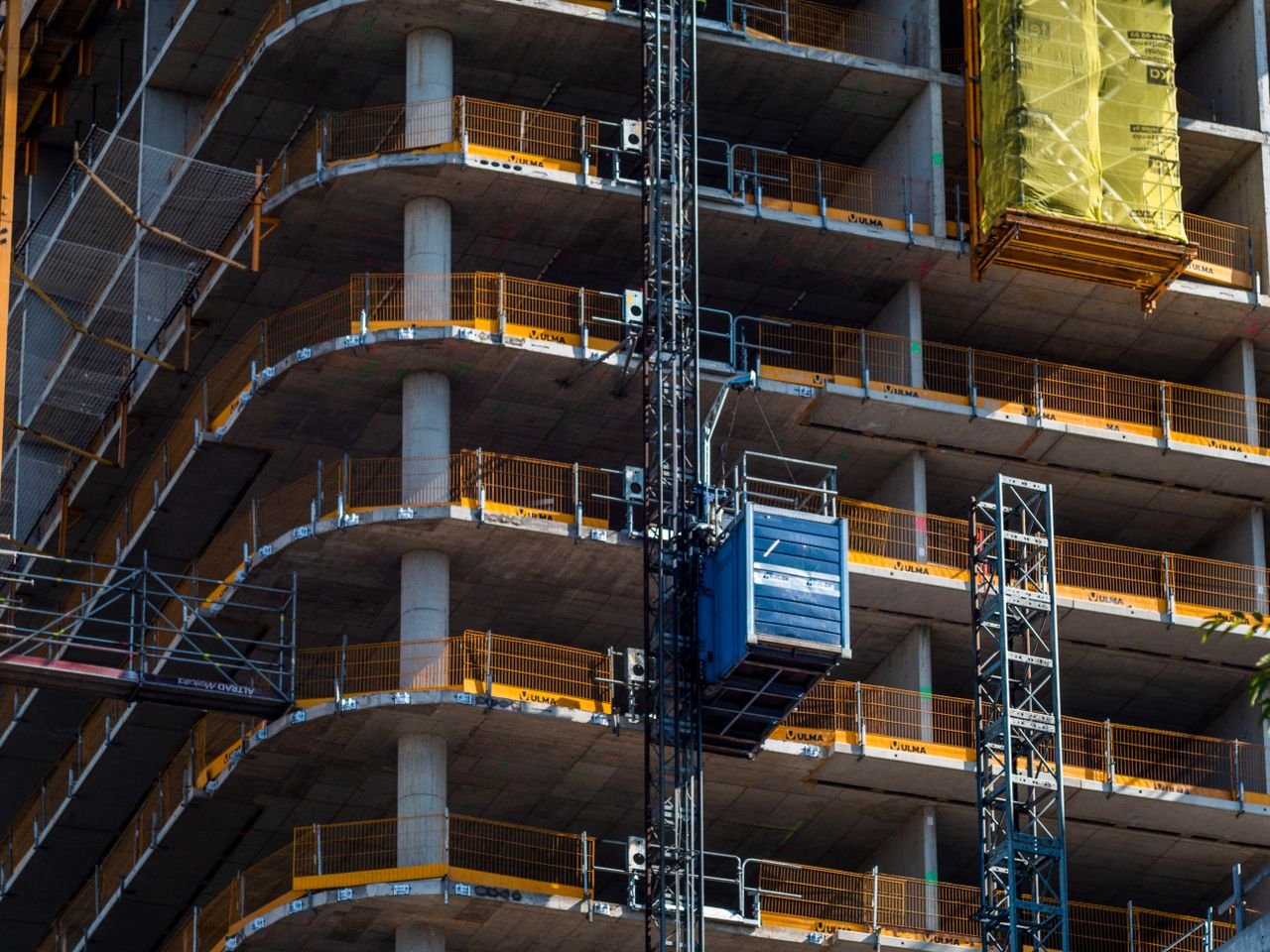

Let’s be upfront: “technopulp building” isn’t a term you’ll find in construction textbooks or industry standards. It’s a shorthand — a useful one — for something very real: the technology-driven transformation of how buildings are designed, constructed, and operated. From digital modelling to smart sensors to engineered timber, technology is reshaping construction faster than at any point in history.
This guide explains what technopulp building actually involves: the specific tools and materials driving it, why sustainability is at its core, and what challenges the industry still faces. Whether you’re a homeowner, student, or just curious, here’s what the term really means in practice.
What “Technopulp Building” Actually Refers To
Strip away the label and you’re left with a clear idea: using digital technology, innovative materials, and data-driven methods to design and construct buildings more efficiently and sustainably. The construction industry — historically slow to digitise — is now adopting tools that other sectors embraced years ago.
The core technologies include:
- Building Information Modeling (BIM): 3D digital models that contain not just geometry but data about every component — materials, costs, maintenance schedules. When architects, engineers, and contractors work from a single BIM model, clashes are caught before construction starts.
- Prefabrication and modular construction: Building components manufactured in controlled factory conditions, then assembled on site. This reduces waste, improves quality control, and can cut construction timelines significantly.
- Smart building systems: Networks of sensors that monitor temperature, lighting, air quality, energy use, and occupancy — then automatically optimise the building’s performance.
- Advanced materials: Engineered timber (like cross-laminated timber), recycled steel, high-performance insulation, and low-carbon concrete alternatives.
Why Technology Matters in Modern Construction
Construction has traditionally been one of the least digitised major industries — and one of the most wasteful. Studies have repeatedly found that a significant share of construction materials ends up as waste, and projects routinely run over budget and behind schedule. Technology addresses these problems directly.
Digital planning catches errors early. With BIM, a structural clash between plumbing and steelwork is found on screen, not on site — where fixing it costs exponentially more. Autodesk, one of the leading BIM software developers, describes BIM as a process that improves collaboration across the entire project lifecycle, from design through demolition.
Data improves decisions. Project managers can track materials, labour, costs, and timelines in real time. Drones survey sites in hours instead of days. AI-assisted scheduling flags delays before they cascade.
Sustainability: The Real Driver
The strongest argument for technology-driven construction isn’t efficiency — it’s the environment. Buildings and construction account for roughly 37% of global energy-related CO2 emissions, according to the UN Environment Programme. Any serious climate strategy has to include better buildings.
Technology supports sustainability in concrete ways:
- Less material waste: Precise digital models and factory-controlled prefabrication mean fewer offcuts and less over-ordering.
- Lower operational energy: Smart systems adjust heating, cooling, and lighting based on actual occupancy rather than fixed schedules.
- Better material choices: Lifecycle analysis software helps designers compare the carbon footprint of different materials before committing.
- Green certification: Standards like LEED (Leadership in Energy and Environmental Design), run by the U.S. Green Building Council, give project teams a rigorous framework for measuring sustainability — and technology makes hitting those targets far more achievable.
Innovative Materials Changing Construction
Materials are where construction innovation is most tangible. Some of the most important developments:
- Cross-laminated timber (CLT): Layers of wood bonded at right angles, creating panels strong enough for multi-storey buildings. CLT stores carbon rather than emitting it (unlike concrete and steel), and it’s now used in tall timber buildings worldwide.
- Recycled and low-carbon concrete: Researchers are developing concrete mixes that use industrial byproducts or capture CO2, cutting the huge carbon footprint of conventional cement production.
- High-performance insulation: Aerogels and vacuum-insulated panels deliver far better thermal performance per centimetre than traditional materials — critical for retrofitting older buildings.
- Recycled steel: Steel is already one of the most recycled materials on earth; using recycled content in structural steel dramatically cuts embodied carbon.
The key insight: technology doesn’t mean always choosing the newest material. It means using data to select the right material for each specific purpose, climate, and budget.
Smart Buildings and Automation
Smart buildings are the most visible face of construction technology. A network of connected sensors monitors temperature, humidity, air quality, lighting, energy consumption, and occupancy — and building management systems respond automatically.
The practical benefits are significant: predictive maintenance (sensors flag failing equipment before it breaks down), energy optimisation (HVAC and lighting adjust to real usage patterns), and occupant comfort (air quality and temperature tuned to actual conditions).
The same sensor and automation technology is increasingly available at smaller scale. If you’re interested in how these systems work in a residential setting, see our guide to the best home automation systems — many of the principles (occupancy sensing, automated climate control, energy monitoring) are identical.
The Bigger Picture: Infrastructure Too
Technology-driven construction isn’t limited to individual buildings. The same digital planning, prefabrication, and smart monitoring approaches are being applied to bridges, transport networks, energy grids, and water systems. For a look at how infrastructure planning is evolving, see our overview of the priority infrastructure plan and what it means for rebuilding the foundations of modern life.
Challenges to Consider
Even technopulp building isn’t without real obstacles:
- Cost: BIM software, sensors, and advanced materials require upfront investment that smaller firms may struggle to afford.
- Skills gap: The industry needs workers who understand both construction and digital tools — a combination still in short supply.
- Cybersecurity: Connected buildings are vulnerable to hacking. A compromised building management system could shut down heating, unlock doors, or expose occupant data.
- Accessibility: The most advanced solutions must prove they’re practical and cost-effective, not just impressive demos. Technology that adds cost without clear benefits won’t survive contact with real project budgets.
Frequently Asked Questions
Is “technopulp building” a real industry term?
No — it’s not a standard term in construction or architecture. It’s best understood as a shorthand for the technology-driven modernisation of construction: BIM, smart buildings, sustainable materials, and prefabrication.
What is BIM in construction?
Building Information Modeling (BIM) is a digital process for creating and managing information about a building across its entire lifecycle. A BIM model is a 3D representation that also contains data about materials, costs, and maintenance — allowing all project teams to collaborate from a single source of truth.
What is cross-laminated timber (CLT)?
CLT is an engineered wood product made by bonding layers of timber at right angles. The result is panels strong enough for multi-storey construction, with a much lower carbon footprint than concrete or steel — wood stores carbon instead of emitting it during production.
How do smart buildings save energy?
Smart buildings use sensors to monitor occupancy, temperature, lighting, and air quality, then automatically adjust HVAC and lighting systems. Instead of heating an empty office or lighting an unoccupied corridor, the building responds to actual conditions — cutting waste significantly.
The Bottom Line
Call it “technopulp building” or just modern construction — the underlying shift is real and important. Digital modelling, smart systems, engineered materials, and data-driven planning are making buildings more efficient, more sustainable, and more responsive to the people who use them.
The challenges (cost, skills, cybersecurity) are genuine, but the direction is clear. The buildings of the next few decades will be designed on screens, assembled from precision-made components, built with lower-carbon materials, and operated by intelligent systems. That’s not hype — it’s already happening.