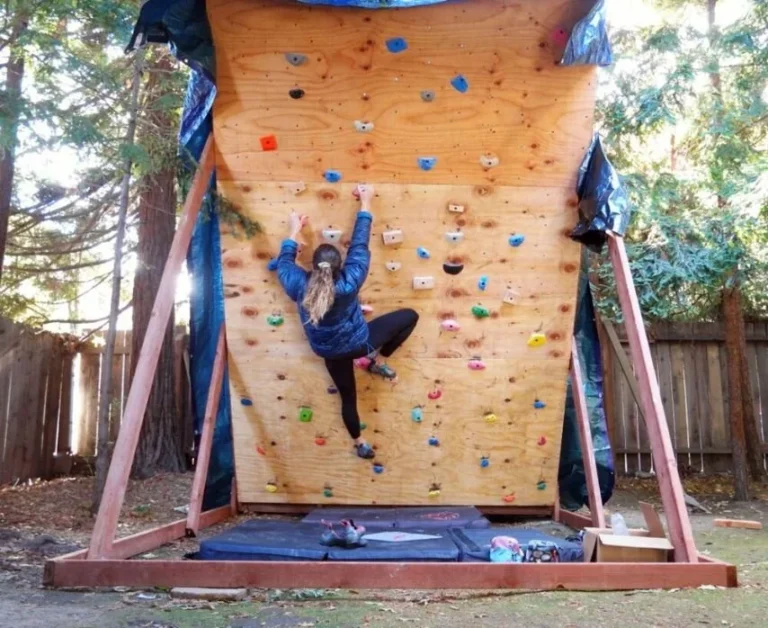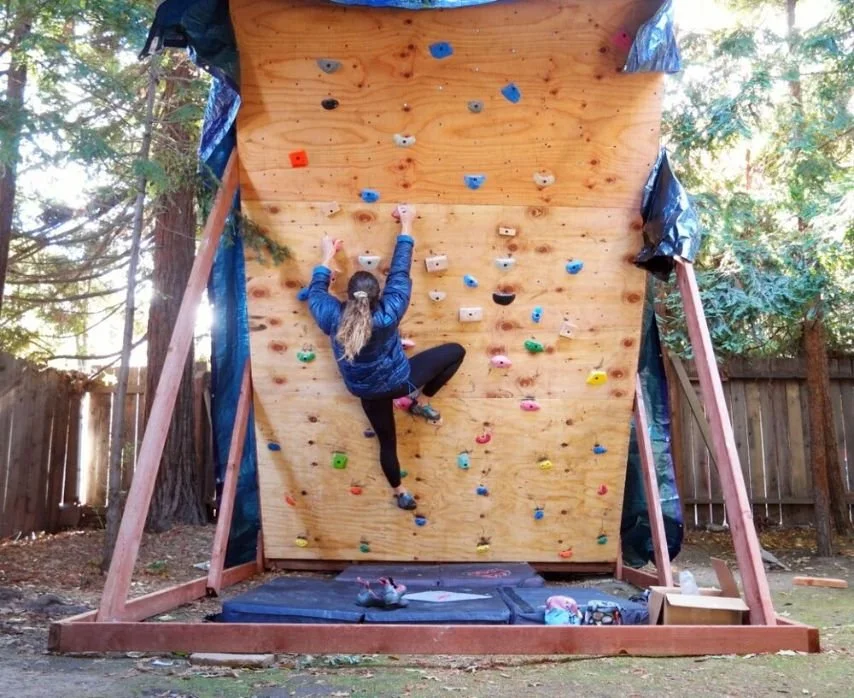
How to Build a Home Climbing Wall DIY
Creating a climbing wall at home can be an exciting project for anyone who enjoys climbing, fitness, or simply wants a fun activity for the family. You do not need a huge house or a professional gym setup to get started. With careful planning, suitable materials, and proper attention to safety, you can create a useful climbing space in a garage, basement, spare room, or other suitable area.
If you have been wondering how to build a home climbing wall diy, the process becomes much easier when you break it into manageable steps. From choosing the location to installing climbing holds, every stage matters.
Choose the Right Location
The first step is deciding where your climbing wall will go. A garage is often a popular choice because it provides enough space and usually has a strong structure. A basement, playroom, or dedicated workout area can also work well.
Before beginning construction, measure the available wall and floor space. Think about how much room you need around the climbing surface. You should have enough open space beneath and around the wall to move safely.
It is also important to inspect the existing structure. A climbing wall can place significant loads on framing, especially when people pull, jump, or swing from holds. If you are unsure whether your wall or structure can support the project, consult a qualified contractor or structural professional before proceeding.
Plan the Wall Design
Once you have selected a location, decide what type of climbing wall you want. A simple vertical wall is usually the easiest option for beginners. More experienced climbers may prefer an angled wall, overhang, or combination of different sections.
Consider the height, width, and angle before buying materials. Sketching your design on paper can help you understand how everything will fit together.
For a beginner-friendly project, keeping the design relatively simple is often a good idea. You can always expand or modify the wall later.
Gather the Materials
A typical home climbing wall may require sturdy plywood panels, structural framing lumber, appropriate screws or bolts, climbing holds, T-nuts or another compatible hold-mounting system, and protective flooring.
The exact materials depend on your design and the structure where the wall will be installed. Use construction materials that are properly rated for the intended loads rather than choosing products simply because they are inexpensive.
When purchasing climbing holds and mounting hardware, follow the manufacturer’s recommendations. Holds should be compatible with the wall system and installed correctly.
Build a Strong Frame
The frame is one of the most important parts of the entire project. It provides the structural foundation for the climbing surface.
Construct the frame using appropriately sized structural lumber and secure it firmly to suitable structural members. Keep the framing properly spaced and make sure it remains square and stable.
Do not rely on drywall, thin interior paneling, or decorative wall surfaces as the primary structural support. The climbing wall needs to be attached to a structure capable of handling repeated dynamic loads.
If your design includes an overhang, additional bracing may be necessary because angled sections can create greater forces on the frame.
Install the Climbing Surface
After the frame is complete, attach the plywood panels according to your design. The panels should fit securely against the frame without excessive movement or flexing.
If you are installing T-nuts, plan their positions carefully before permanently attaching the panels. A well-spaced pattern gives you more flexibility when arranging climbing holds later.
Make sure all fasteners are appropriate for the material and structural application. Follow the recommendations of the wall and hardware manufacturers rather than guessing about screw sizes or spacing.
Add Climbing Holds
Once the climbing surface is secure, you can begin installing the holds. One of the most enjoyable parts of the project is creating different routes.
Start with a simple arrangement that provides a variety of hand and foothold positions. You can later move the holds to create easier or more challenging routes.
Avoid placing holds in positions that encourage dangerous falls or awkward landings. Route design should take into account the user’s experience level and the amount of available landing space.
Focus on Safety
Safety should always come before appearance or difficulty. A home climbing wall should have appropriate protective flooring underneath it. Thick climbing mats or professionally designed impact-absorbing surfaces are preferable to ordinary household rugs or thin exercise mats.
Inspect the wall, frame, hardware, and climbing holds regularly. Look for loose screws, damaged holds, cracked panels, or signs of movement.
It is also wise to establish basic rules for anyone using the wall. Climbers should warm up, use suitable footwear, avoid climbing beyond their ability, and never climb when the landing area is obstructed.
Children should receive appropriate supervision, and the wall should be designed specifically with their size and abilities in mind.
Test Everything Before Climbing
Before using the wall for a real climbing session, carefully inspect the entire installation. Check the frame, panels, fasteners, holds, and landing surface.
Apply gradual testing rather than immediately attempting difficult moves. If you notice unusual movement, creaking, loose hardware, or structural concerns, stop using the wall until the problem has been properly addressed.
For more complex designs, particularly tall walls and significant overhangs, professional inspection can provide additional peace of mind.
Make Your Wall More Fun
Once the basic structure is finished, you can personalize your climbing area. Different colored holds can help separate routes by difficulty. You can also add a small training section, storage for climbing equipment, or a dedicated stretching area.
As your skills improve, rearranging the holds can give the wall an entirely new feel without requiring another construction project.
Final Thoughts
Learning how to build a home climbing wall diy can turn an unused space into an enjoyable fitness and climbing area. The key is not simply building something that looks like a climbing wall; it is creating a structure that is properly supported, securely assembled, and surrounded by suitable protection.
Take time to plan your design, choose appropriate materials, build a strong frame, install the climbing surface correctly, and prioritize safe landings. When done carefully, a home climbing wall can provide years of exercise, skill development, and entertainment for climbing enthusiasts.
you may also read nowitstrend.
About the Author