
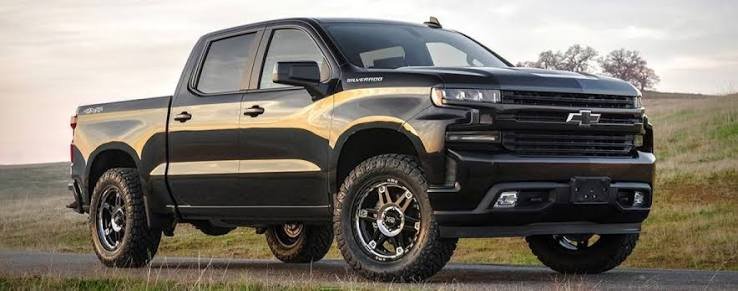

how to lift a truck yourself diy is a useful project for truck owners who want to create more ground clearance, improve off-road capability, or simply give their vehicle a different look. A truck lift can range from a small leveling adjustment to a complete suspension lift, but the right approach depends on the truck, the type of lift, and your mechanical experience.
Before starting, remember that lifting a truck involves heavy components, springs, suspension parts, and a vehicle that can be dangerous if it is not properly supported. Work on a solid, level surface and use equipment rated for your truck’s weight.
How to Lift a Truck Yourself DIY: Understand the Different Lift Types
The first step in how to lift a truck yourself diy is understanding what kind of lift you actually need.
A leveling kit raises the front of the truck so it sits closer to the height of the rear. This is usually one of the simpler options and can improve the appearance of a truck without making major suspension changes.
A body lift raises the truck’s body above the frame while leaving most of the original suspension geometry in place. Body lifts can provide additional clearance without changing suspension travel as much as a suspension lift.
A suspension lift changes the suspension components to increase ride height. This can provide greater ground clearance and room for larger tires, but it generally requires more mechanical knowledge and careful installation.
How to Lift a Truck Yourself DIY Safely
Safety should come before speed. Never rely on a hydraulic floor jack alone while working underneath a truck. Use appropriately rated jack stands positioned at the manufacturer’s recommended support points.
Park the truck on a hard, level surface and engage the parking brake. Chock the wheels that remain on the ground. Wear safety glasses and suitable gloves, especially when working around rusty bolts or compressed suspension components.
If your truck uses coil springs, torsion bars, or other components that store significant energy, use the correct specialty tools and follow the manufacturer’s instructions. A suspension spring can release substantial force if handled incorrectly.
How to Lift a Truck Yourself DIY: Gather the Right Tools
Your exact tools will depend on the truck and lift kit, but common equipment includes:
- Heavy-duty floor jack
- Properly rated jack stands
- Wheel chocks
- Socket and wrench set
- Breaker bar
- Torque wrench
- Penetrating lubricant
- Pry tools
- Manufacturer-approved specialty suspension tools
- Measuring tape
A torque wrench is particularly important. Suspension fasteners need to be tightened according to the vehicle or lift-kit manufacturer’s specifications rather than simply being tightened as hard as possible.
How to Lift a Truck Yourself DIY Step by Step
Start by reading the complete instructions that come with your lift kit. Compare the parts in the box with the parts listed in the instructions before removing anything.
Measure the truck’s ride height before beginning. Take measurements from consistent points on both sides. This gives you a useful reference for checking the final result.
Next, safely raise the truck and support it with jack stands. Remove the wheels and inspect the suspension. If you find damaged, badly corroded, or leaking components, address those problems before installing the lift.
Remove only the components specified by the kit instructions. Depending on the design, this may involve replacing spacers, shocks, springs, control-arm components, or other suspension parts.
Install the new components carefully, keeping track of every fastener and washer. Do not force a component into place or modify suspension parts unless the instructions specifically require it.
Once everything is installed, tighten the fasteners to the specified torque. Reinstall the wheels and lower the truck carefully.
Check the Truck After Installation
Finishing the installation does not mean the project is complete. Check the vehicle from several angles and compare the ride height with your original measurements.
Turn the steering wheel from lock to lock and look for interference between tires, suspension components, and bodywork. Check brake lines, wiring, and other components to make sure nothing is stretched or rubbing.
If the truck now has larger tires, check clearance carefully during steering and suspension movement. Tire contact can cause damage and create a safety problem.
Wheel Alignment Is Extremely Important
One of the most important steps in how to lift a truck yourself diy is getting a professional wheel alignment after a suspension lift.
Changing ride height can alter suspension geometry. Incorrect alignment can cause uneven tire wear, steering problems, or unstable handling.
Even if the truck appears to drive normally, an alignment check is worthwhile after modifying the suspension. Follow the alignment specifications recommended for your particular vehicle and lift setup.
Common Mistakes to Avoid
A common mistake is choosing a lift based only on appearance. A taller truck is not automatically better for every type of driving. Consider how you actually use your truck before selecting a kit.
Another mistake is installing oversized tires without checking clearance. Larger tires can affect steering, braking, acceleration, fuel economy, and suspension components.
Some people also reuse damaged or excessively worn hardware. Suspension components experience significant loads, so questionable parts should be replaced rather than ignored.
Finally, avoid mixing incompatible suspension components. A lift system should be designed as a complete setup rather than a random collection of inexpensive parts.
Final Thoughts on How to Lift a Truck Yourself DIY
Learning how to lift a truck yourself diy can be rewarding when approached carefully. A suitable lift kit can change the truck’s appearance, increase ground clearance, and potentially make it more capable for off-road use.
However, suspension work is not a project where shortcuts are worth taking. Use properly rated equipment, follow the manufacturer’s instructions, torque hardware correctly, inspect everything after installation, and have the truck professionally aligned when the work is finished.
If a particular step requires specialized equipment or involves compressed suspension components that you are not comfortable handling, getting help from an experienced mechanic is the safer choice.
you may also read nowitstrend.