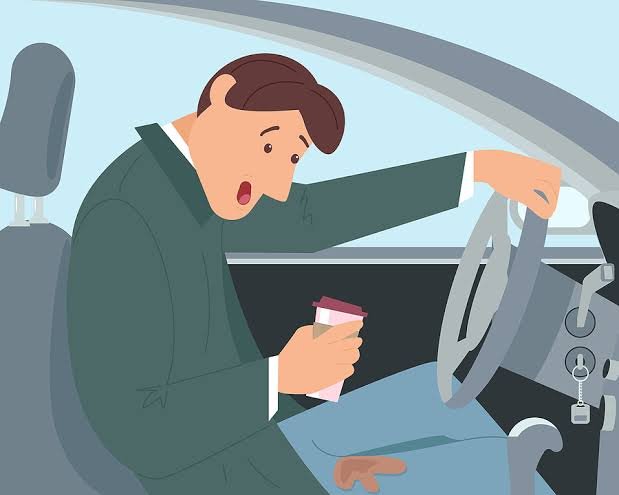
car shaking while driving
If you notice your car shaking while driving, it can be an unsettling experience. Sometimes the problem is minor, such as an unbalanced tire, while in other cases, shaking can point to an issue with the brakes, suspension, steering, or engine. Understanding what may be causing the vibration can help you decide how urgently your vehicle needs attention.
Car shaking can happen at different speeds and under different conditions. Paying attention to when the shaking starts, how strong it feels, and whether it changes when you brake or accelerate can provide useful clues.
Why Is My Car Shaking While Driving?
There are several possible reasons for a vehicle to shake on the road. The most common causes are related to tires and wheels, but mechanical and engine problems can also create noticeable vibrations.
One of the first things to consider is whether the shaking happens at a particular speed. If the vibration appears mainly at highway speeds, the tires or wheels may be the first areas to inspect. If it happens when braking, the brake system may be responsible.
Unbalanced or Damaged Tires
Tires are one of the most common causes of car shaking while driving. When a tire is not properly balanced, it can create vibrations that become more noticeable as the vehicle gains speed.
A damaged tire can cause similar symptoms. For example, a tire with uneven tread wear, a bulge, or internal damage may not rotate smoothly. Driving on a damaged tire can also be dangerous, so it should be inspected as soon as possible.
Regular tire balancing, rotation, and inspection can help prevent these problems.
Wheel Alignment Problems
Poor wheel alignment can also contribute to shaking. Your vehicle’s wheels need to point in the correct direction and maintain the proper angles. Hitting potholes, curbs, or rough roads can sometimes knock the alignment out of specification.
Besides vibration, alignment problems may cause the vehicle to pull toward one side or cause the steering wheel to sit at an unusual angle while driving straight. Uneven tire wear is another common warning sign.
Brake Problems
If your car mainly shakes when you press the brake pedal, the braking system deserves attention. Brake rotors can develop uneven surfaces, particularly after repeated exposure to heat and heavy braking.
A steering wheel that vibrates during braking can be a useful clue that the front brake components may need inspection. Other symptoms, such as unusual noises or a brake pedal that feels different, should not be ignored.
Because brakes are essential for safe driving, it is better to have the system checked promptly rather than continuing to drive with serious symptoms.
Suspension and Steering Issues
Your vehicle’s suspension helps keep the tires connected to the road while providing a smoother ride. Components such as control arms, ball joints, tie rods, shocks, and struts can wear over time.
When suspension or steering components become worn or damaged, you may notice shaking, unusual noises, loose steering, or instability over bumps. In some situations, the vehicle may feel difficult to control.
A professional inspection can determine whether a worn component is responsible for the vibration.
Engine Problems
Not every vibration comes from the wheels. If the vehicle shakes mostly while idling, accelerating, or stopping, the engine could be involved.
A rough-running engine may be caused by problems such as worn spark plugs, ignition issues, fuel delivery problems, or other engine-related faults. An illuminated check-engine light can provide an additional warning.
Engine-related shaking may become more obvious when the vehicle is under load, such as when accelerating or climbing a hill.
Driveshaft or CV Joint Problems
In vehicles with certain drivetrains, worn driveshaft components or CV joints can produce vibration, particularly during acceleration. A damaged CV joint may also make clicking or popping sounds when turning.
These components transfer power from the engine and transmission to the wheels, so problems can affect how smoothly the vehicle moves. If you experience strong vibration during acceleration, professional diagnosis is recommended.
What Should You Do If Your Car Starts Shaking?
If your car shaking while driving is mild and occurs only at a certain speed, start by checking the tires and wheels. Look for visible tire damage, low tire pressure, or anything unusual.
However, do not assume the problem is harmless. If the shaking is severe, suddenly becomes worse, occurs with unusual noises, affects steering, or happens alongside brake problems, safely reduce your speed and have the vehicle inspected.
Avoid continuing to drive a vehicle that feels unsafe or difficult to control.
How to Prevent Future Shaking Problems
Regular maintenance is one of the easiest ways to reduce the chance of unexpected vibration. Check tire pressure regularly, rotate and balance tires according to the vehicle manufacturer’s recommendations, and have the alignment checked when necessary.
It is also important to address pothole impacts, uneven tire wear, strange noises, and warning lights rather than putting them off. Small problems can sometimes become more expensive when ignored.
Final Thoughts
Car shaking while driving can have many causes, ranging from simple tire imbalance to more serious brake, suspension, steering, drivetrain, or engine problems. The timing of the vibration provides an important clue: shaking at certain speeds often points toward wheels or tires, while shaking during braking or acceleration may indicate a different mechanical issue.
If you cannot identify the cause or the shaking is severe, having the vehicle inspected by a qualified mechanic is the safest approach. A proper diagnosis can help identify the problem before it develops into a larger and potentially dangerous repair.
you may also read nowitstrend.
About the Author