
SB Dunks are the rare sneaker that earns its hype twice: once on a skateboard, once on the street. Born in 2002, when Nike re-engineered its 1985 basketball Dunk for skaters, the SB Dunk paired real skate functionality — a padded tongue, Zoom Air cushioning, and hard-wearing suede — with limited colorways that turned releases into cultural events. Two decades later, pairs like the Staple “Pigeon” Dunk sell for thousands of dollars, and new drops still vanish in seconds.
This guide covers the full story: the real history, what actually makes SB Dunks skate shoes, the legendary releases, how to spot fakes, and smart buying advice.
The Real History: From 1985 Basketball to 2002 Skate Icon
The Nike Dunk debuted in 1985 as a college basketball shoe. It already had something skaters liked — a grippy flat sole and solid ankle support — and by the 1990s skaters were wearing basketball Dunks at skateparks anyway. Nike noticed. In 2002, the company launched Nike SB (Nike Skateboarding) and released the SB Dunk: the same silhouette, rebuilt for skating.
The changes were functional, not cosmetic. Nike added a Zoom Air unit in the heel to absorb hard landings, a thick padded tongue to protect feet from board impact, and reinforced suede and leather panels that could survive repeated ollies. To win over a skeptical skate community, Nike SB signed respected pros like Danny Supa and Paul Rodriguez — instant credibility.
Early releases leaned into creativity. The 2002 “Reese Forbes Denim” Dunk — part of the original Colours By series — used actual denim on the upper, something almost unheard of on a skate shoe at the time. It set the tone: SB Dunks would be as much about design as durability. You can read more about the brand’s background on Wikipedia’s Nike Skateboarding page.
What Makes SB Dunks Real Skate Shoes
Plenty of sneakers look the part; SB Dunks were engineered for it. Here is what separates them from an ordinary fashion shoe:
- Padded tongue. The thick, stuffed tongue is not just a style signature — it shields the top of your foot when the board flips up into it.
- Zoom Air cushioning. A Zoom Air unit in the heel absorbs the impact of stairs, gaps, and hard landings that would punish a flat insole.
- Durable materials. Reinforced suede and leather in the high-wear ollie zone resist shredding far longer than canvas or mesh.
- Board feel. A relatively thin, flexible midsole keeps you close to the board, so flicks and catches stay precise.
- Thick laces. Fat laces resist snapping and stay tied through long sessions.
If you actually skate in them, expect them to wear — that is the point. Many skaters rotate a “beater” pair for sessions and keep limited colorways clean.
The Releases That Built the Legend
A few drops turned the SB Dunk from a good skate shoe into a cultural phenomenon:
- Reese Forbes Denim (2002). Actual denim on a skate shoe, from the launch-era Colours By series. An early grail.
- Staple “Pigeon” Dunk (2005). Designed by Jeff Staple with a pigeon-grey upper and an embroidered pigeon on the heel, it nodded to New York City. The 2005 release at Reed Space drew a crowd so large it caused a street disturbance — the most famous sneaker release story of its era.
- “Tiffany” (2005). The teal-and-croc-pattern Diamond Supply Co. collaboration became an instant classic.
- “Heineken” (2003). Green-and-red colorway, famously never officially tied to the beer brand — which only added to the myth.
- “Paris” (2003). Around 202 pairs made for a Paris event; pairs have sold for tens of thousands of dollars.
Rise, Fall, and Resurgence
From 2005 to about 2010, SB Dunks dominated sneaker forums like NikeTalk. Then the hype cooled: by the early 2010s, other silhouettes took the spotlight and SB Dunks sat on shelves. Social media brought them back — a new generation discovered the back catalog, and Nike responded with retros. By 2020, resale platform StockX was calling it the year of the SB Dunk, with drops like the Ben & Jerry’s “Chunky Dunky” selling out instantly and trading far above retail. Collaborations with names like Travis Scott and Futura continue to disappear in seconds.
How to Spot Fake SB Dunks
Where there is hype, there are fakes. Use this checklist before buying, especially on resale:
- The tongue test. Authentic SB Dunks have a thick, well-stuffed tongue. Fakes often use a thin, flat tongue.
- Stitching quality. Check the Swoosh and heel embroidery — retail pairs have clean, even stitching; fakes are often sloppy.
- The box. Recent authentic pairs come in proper Nike SB boxes (often black or teal) with correct labeling and a matching size sticker.
- Tongue tag and size tag. Fonts, spacing, and the barcode details should be crisp and consistent with known retail pairs.
- Price reality check. A hyped colorway listed far below market price is the biggest red flag of all.
The safest route: buy from Nike SNKRS, authorized skate shops, or resale platforms with built-in authentication such as StockX or GOAT.

Sizing and Buying Tips
- Sizing: SB Dunks generally run true to size, though some wearers find them slightly snug at first — the padded tongue takes a few wears to break in. If you are between sizes or have wide feet, consider going half a size up.
- For skating: buy a general-release colorway you will not mind destroying, and keep limited pairs for rotation.
- For collecting: set release-date reminders in the SNKRS app, and support local skate shops — many limited pairs are shop-exclusive.
- On resale: check recent sold prices, not asking prices, and only use platforms that authenticate.
SB Dunks in Streetwear Culture
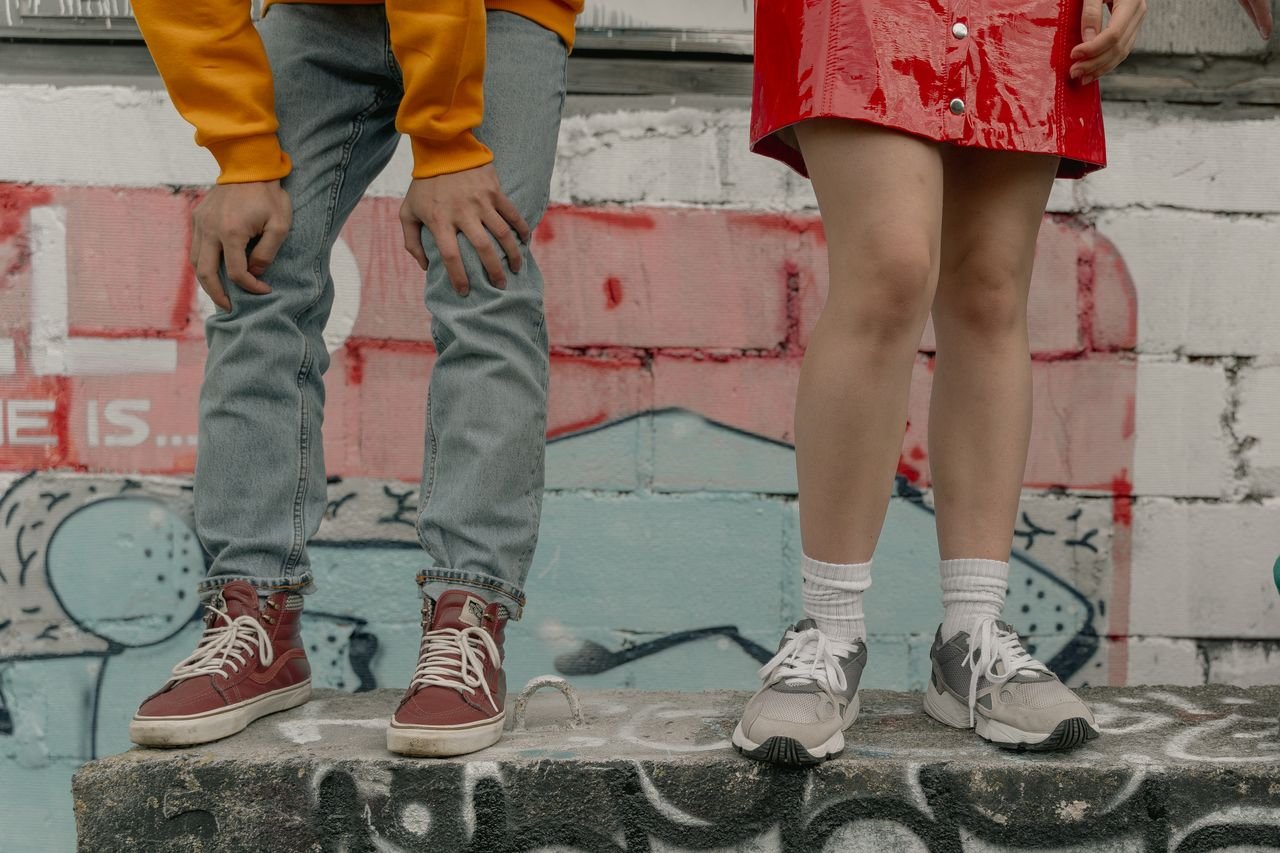
What started at skateparks now shows up on runways, in music videos, and across streetwear lookbooks. The SB Dunk proved a performance shoe could become a fashion staple without losing its roots — skaters still skate them, even as collectors keep pairs deadstock. If you follow sneaker-driven fashion, you may also like our guides to Fashion Nova and Troozer.