
If you’ve searched for “Nummazaki” expecting a hidden coastal gem in Japan, here’s what you should know first: “Nummazaki” is not a formally recognized place. It doesn’t appear on official maps, and the name shows up almost exclusively on content-farm websites. The name is used online to refer to the scenic Numazu coast in Shizuoka Prefecture — the shoreline around the real city of Numazu on Suruga Bay. This guide is honest about that, then gives you a genuine overview of the actual area: where it is, why it’s worth visiting, what to expect, and practical tips.
What Is “Nummazaki”?
“Nummazaki” appears to be an informal or invented name used by some online travel content to describe the coastal area around Numazu, a real city in Shizuoka Prefecture, Japan. You won’t find it on official Japanese maps or in mainstream travel guides. The articles that use the name tend to copy similar descriptions — dramatic coastline, seafood, and sea views — which correspond to the genuine characteristics of the Numazu and Suruga Bay area, even if the name itself isn’t official.
So if you’re drawn to the idea of “Nummazaki,” what you’re really looking at is the Numazu coast: a working coastal region with real attractions, just under a different name.
Where Is the Numazu Coast?
Numazu is a city in Shizuoka Prefecture, on the eastern side of the Izu Peninsula, facing Suruga Bay. Suruga Bay is Japan’s deepest bay, and its western shores offer some of the country’s most celebrated views of Mount Fuji rising across the water. The area sits roughly between Tokyo and Nagoya along the Pacific coast, making it accessible for travelers exploring central Japan.
Why Visit the Numazu Coast?
The Numazu coast appeals to travelers looking for a quieter, less touristy side of Japan:
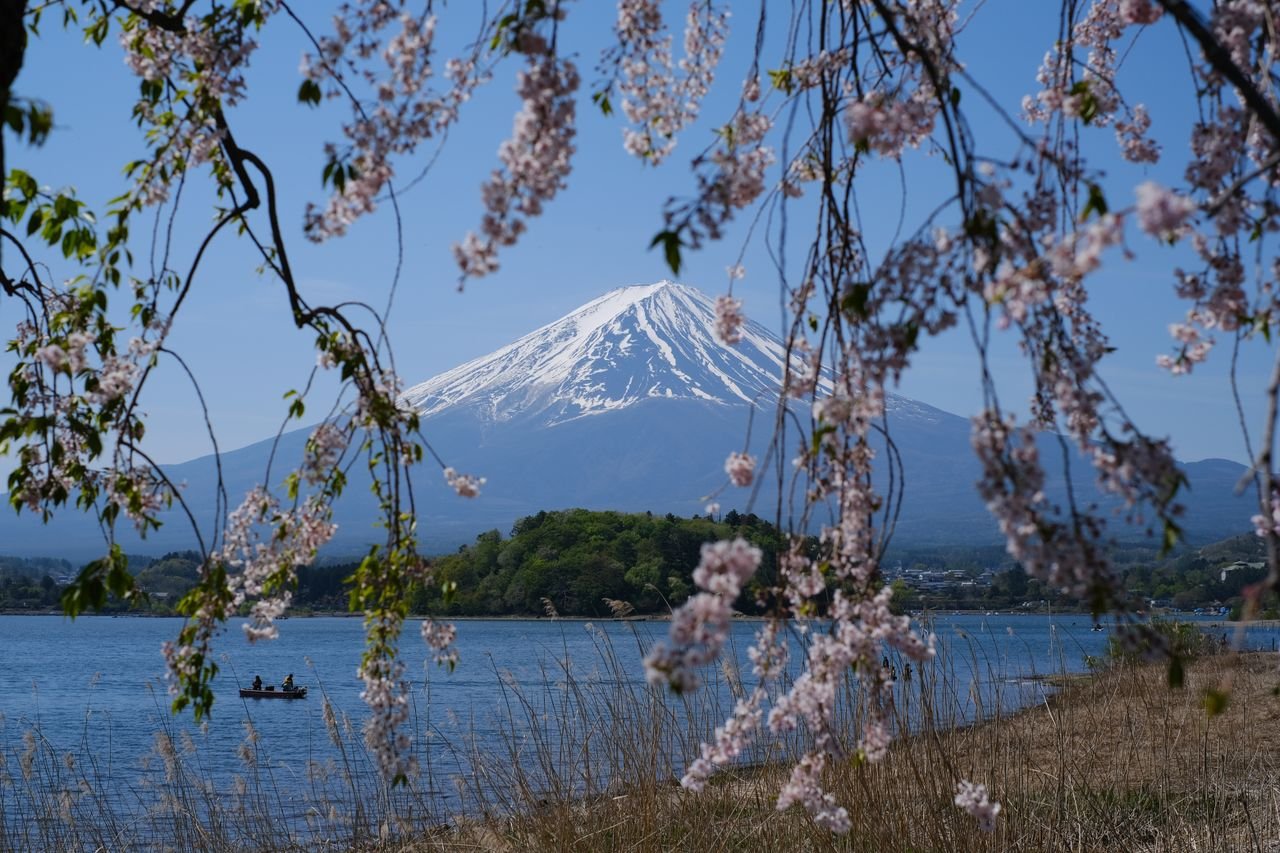
- Mount Fuji views. On clear days, the mountain rises majestically across Suruga Bay — one of the classic Fuji vistas.
- Fresh seafood. Numazu is a working fishing port, and the area is known for its seafood, served at the port and in local restaurants.
- Coastal scenery. The Suruga Bay shoreline offers sea views, coastal walks, and a slower pace than Japan’s big cities.
- Gateway to Izu. Numazu sits at the gateway to the Izu Peninsula, famous for its rugged coast, hot springs, and resort towns.
What to See and Do
Keep expectations grounded — this is a pleasant regional coast, not a major tourist hub. Highlights of the area include:
- Suruga Bay viewpoints. Find a clear spot along the shore for Fuji across the water — mornings tend to offer the clearest views.
- Numazu Port. A working fishing port with seafood restaurants and a lively, local atmosphere.
- Coastal walks. The shoreline around Numazu and into the Izu Peninsula offers scenic walking.
- Day trips into Izu. The peninsula’s hot spring towns and dramatic west coast are an easy extension.
A note of honesty: specific attractions sometimes attributed to “Nummazaki” online — such as a particular lighthouse, “blue caverns,” or named local dishes — could not be verified and should be treated with scepticism. Enjoy the real coast for what it verifiably offers.
Food: Seafood on Suruga Bay
As a fishing port, Numazu’s food scene centers on the day’s catch. Expect simply prepared seafood — sashimi, grilled fish, and local specialties — at restaurants around Numazu Port and in the city. If you enjoy Japanese seafood, eating where the boats land is one of the area’s genuine pleasures. As with anywhere in Japan, the best approach is to ask locals or follow the lunch crowds. For another look at life built around fishing, see our feature on Fishing Family Thunderonthegulf.
Practical Tips for Visiting
- Getting there: Numazu is accessible by train from Tokyo along the Tokaido corridor; check current schedules before traveling.
- Best times: Spring and autumn generally offer mild weather and the clearest Fuji views; summers are hot and humid.
- Language: English is less widely spoken than in Tokyo or Kyoto — a translation app and basic Japanese phrases go a long way.
- Cash: Carry yen; smaller restaurants and shops may not accept cards.
- Etiquette: Standard Japanese travel etiquette applies — quiet on public transport, no tipping, and respect at religious sites.
Similar Destination Guides
If you enjoy discovering lesser-known destinations, you may also like our complete guide to Bentonville, Arkansas — another place that rewards travelers who look beyond the obvious.
Frequently Asked Questions
What is Nummazaki?
“Nummazaki” is an informal name used by some online content to describe the Numazu coastal area in Shizuoka, Japan. It is not a formally recognized place name and doesn’t appear on official maps.
Where is Nummazaki?
The name is used to refer to the coast around Numazu, a real city in Shizuoka Prefecture on Suruga Bay, on the eastern side of the Izu Peninsula.
Is Nummazaki a real place?
Not as a formal destination. The coastal area it describes — the Numazu coast on Suruga Bay — is absolutely real and worth visiting, but the name “Nummazaki” itself appears to be an online invention.
What is Numazu known for?
Views of Mount Fuji across Suruga Bay, a working fishing port with fresh seafood, and its position as a gateway to the Izu Peninsula.
How do I get to Numazu?
Numazu is accessible by train from Tokyo via the Tokaido corridor. Check current timetables and rail passes when planning, as services and schedules can change.
When is the best time to visit?
Spring and autumn typically offer the most comfortable weather and the clearest views of Mount Fuji. Winter can also be clear and crisp; summers are hot and humid.
The Bottom Line
“Nummazaki” may not be a real place name, but the coast it points to is real — and genuinely appealing. The Numazu shoreline on Suruga Bay offers Mount Fuji views, fresh seafood, and a quieter side of Japan, all within easy reach of Tokyo. Go for the real Numazu, not the internet myth, and you’ll find a coastal region that doesn’t need an invented name to be worth the trip.