
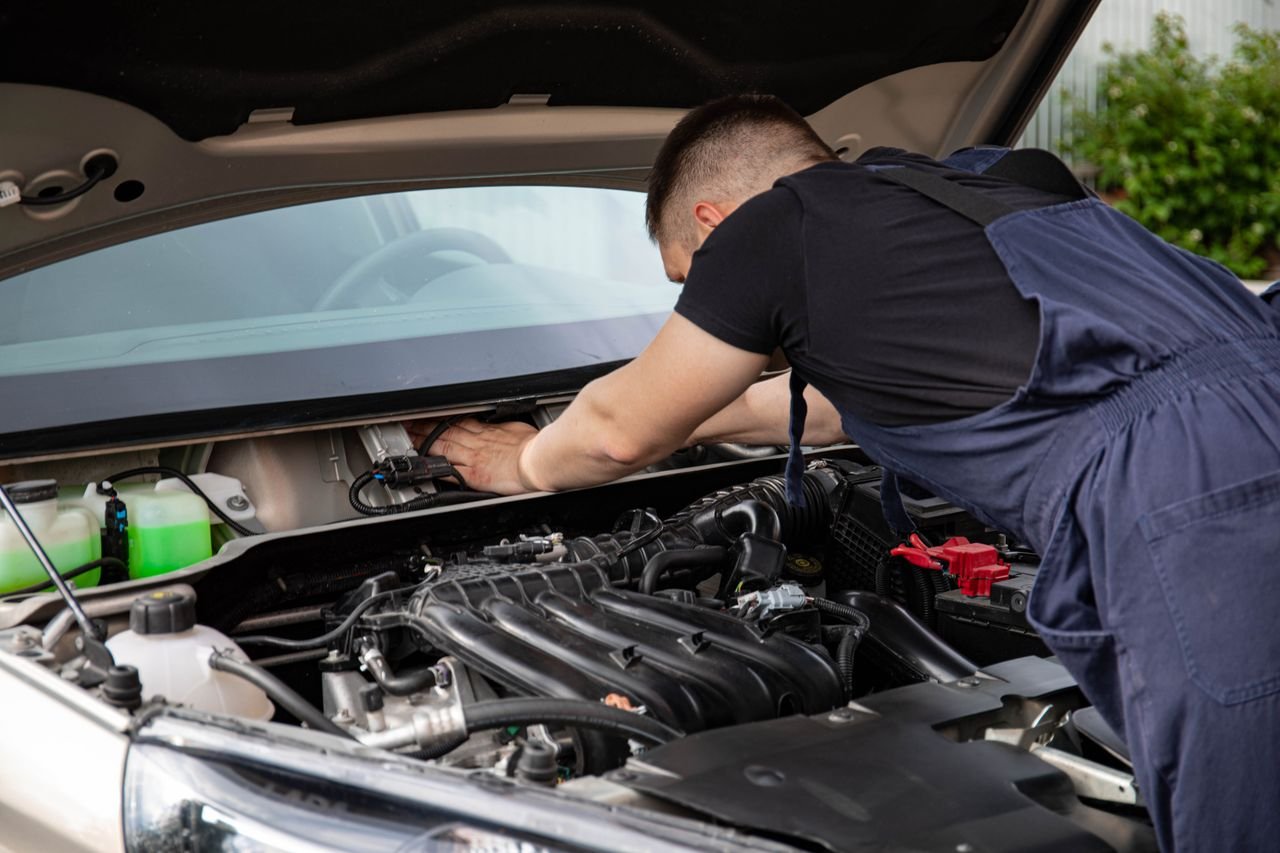

How to check car fluids: park on level ground, open the bonnet, and inspect the six key fluids — engine oil (dipstick), coolant (reservoir), brake fluid (reservoir), transmission fluid (dipstick or sealed unit), washer fluid (reservoir), and power-steering fluid if your car has it. The whole check takes about ten minutes with nothing more than a clean cloth and your owner’s manual. This guide walks through each one, step by step.
Learning how to check car fluids is straightforward — you do not need to be a professional mechanic to perform basic fluid checks. With a few minutes, a clean cloth, and your vehicle’s owner’s manual, you can handle many routine inspections yourself. Checking these fluids regularly can help you notice leaks, low levels, or other problems before they turn into expensive repairs.
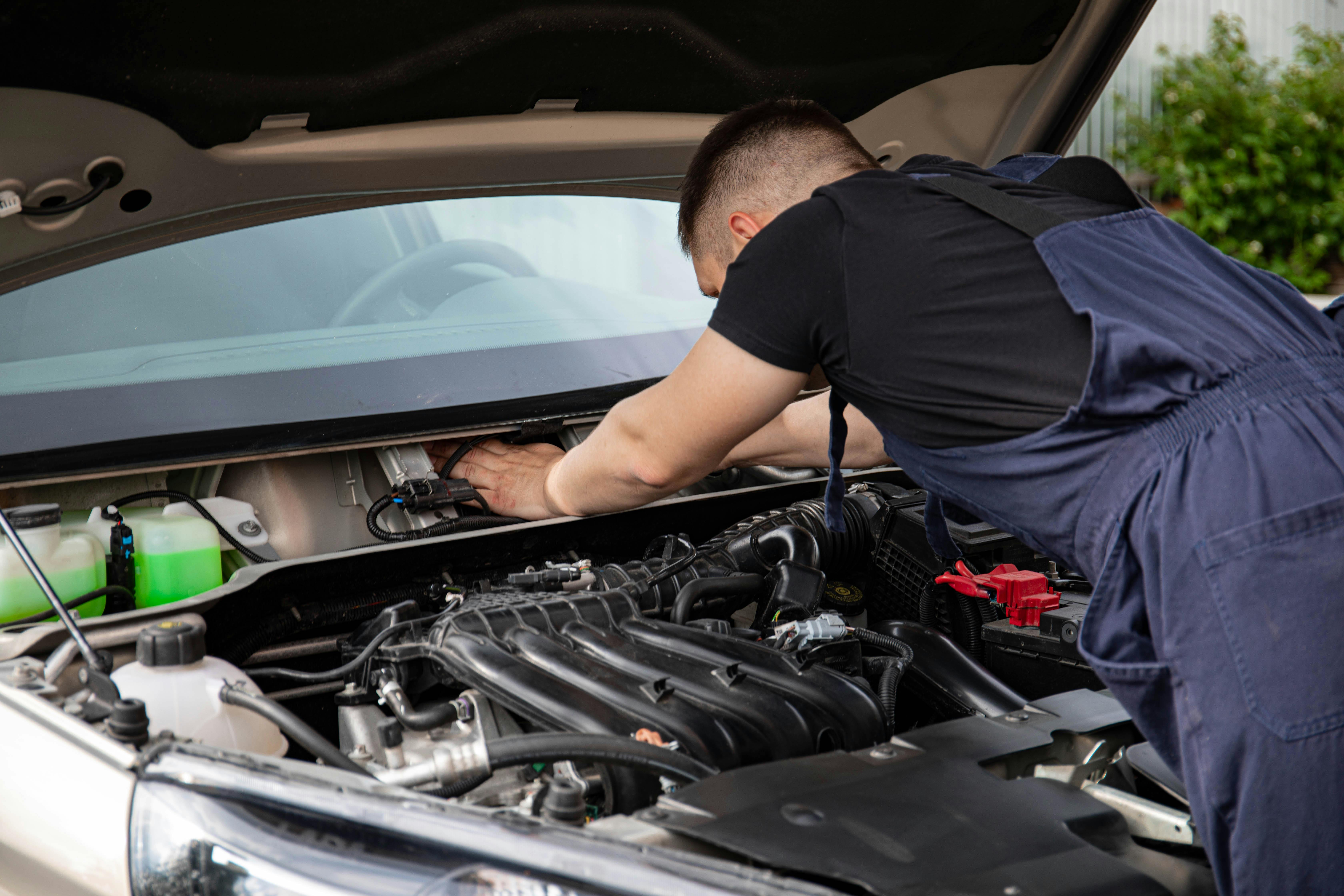
Why Checking Car Fluids Matters
Your car’s fluids keep six key systems running. Engine oil reduces friction between moving parts, coolant controls engine temperature, and brake fluid helps transfer pressure when you press the brake pedal. Transmission fluid keeps the transmission components lubricated and operating smoothly.
Regular checks give you an opportunity to identify problems early. A sudden drop in fluid level can also indicate a leak that needs professional attention.
1. How to Check Engine Oil
Engine oil is one of the most important fluids to check. Park your car on level ground and turn off the engine. Wait several minutes so the oil can settle.
Open the hood and locate the oil dipstick. Pull it out and wipe it clean with a cloth or paper towel. Insert the dipstick completely, then remove it again.
Look at the markings on the dipstick. The oil should normally be between the minimum and maximum marks. If it is below the recommended level, add the correct type of oil specified in your owner’s manual.
Pay attention to the oil’s appearance as well. Dark oil does not automatically mean it needs changing, but thick, contaminated, or unusual-looking oil can be a reason to have the vehicle inspected.
2. How to Check Coolant
Coolant (antifreeze) stops the engine from overheating or freezing.
Never open the radiator cap when the engine is hot. Hot coolant can be under pressure and cause serious burns. Instead, wait until the engine has completely cooled.
Find the coolant reservoir under the hood. It usually has minimum and maximum level markings. Check whether the coolant is within the recommended range.
If the level is low, use the coolant type recommended by the vehicle manufacturer. Avoid mixing different coolant types unless your owner’s manual specifically says it is safe.
If you frequently need to add coolant, there may be a leak or another cooling-system problem. Coolant also deserves extra attention when the seasons change — see our guide on autumn rains and the car: what technical problems should not be ignored for a seasonal checklist.
3. How to Check Brake Fluid
Brake fluid is essential for your vehicle’s braking system. The brake-fluid reservoir is usually located near the back of the engine compartment.
Check the fluid level against the markings on the reservoir. It should generally be between the minimum and maximum lines.
If the level is unusually low, do not simply keep adding fluid without investigating the cause. Brake fluid can decrease because of normal brake wear, but a leak can also cause a low level.
If you notice a soft or spongy brake pedal, poor braking performance, or a warning light, have the braking system inspected promptly.
4. How to Check Transmission Fluid
Transmission-fluid checks vary considerably between vehicles. Some automatic transmissions have a dipstick, while many modern vehicles are designed to be checked by a technician.
If your vehicle has a transmission dipstick, follow the owner’s manual carefully. The correct checking procedure may require the engine to be running and the transmission to be at a specific temperature.
Check the fluid level and condition according to the manufacturer’s instructions. Healthy fluid is usually reddish and translucent; dark, burnt-smelling fluid is a sign it needs attention. If you are unsure about the procedure, it is safer to ask a qualified mechanic rather than guessing.
Manual transmissions and some modern automatic transmissions use sealed units with no dipstick — these need a workshop inspection.
5. How to Check Windshield Washer Fluid
Find the washer-fluid reservoir under the hood. The cap often has a windshield symbol on it.
Check the level and add suitable windshield washer fluid if necessary. Avoid using plain water as a long-term replacement, especially in areas where temperatures can become very cold.
Keeping enough washer fluid available helps maintain clear visibility when your windshield becomes dirty.
6. How to Check Power Steering Fluid
Some vehicles use hydraulic power steering and have a power-steering-fluid reservoir. Others use electric power steering and do not require this fluid at all.
If your vehicle has a power-steering reservoir, check the level according to the markings and instructions in the owner’s manual. Some systems should be checked when the engine is warm, while others have different requirements.
Low power-steering fluid can sometimes be associated with a leak. If you hear whining or unusual noises while turning the steering wheel, have the system inspected.
Tips for Checking Car Fluids Safely
Always park on a flat surface and make sure the vehicle is secure before opening the hood. Keep loose clothing and hands away from moving engine components when the engine is running. These precautions apply every time you check car fluids at home.
Use only fluids that meet your vehicle manufacturer’s specifications. Different vehicles require different oil, coolant, transmission fluid, and brake-fluid specifications.
It is also useful to check for signs of leaks underneath your vehicle. Puddles or wet areas can indicate a problem. If you need a closer look under the car, never crawl beneath a vehicle supported only by a jack — use proper jack stands on solid, level ground. Our step-by-step guide on how to lift a truck yourself (DIY) explains safe lifting and support, and the same principles apply to any vehicle.
How Often Should You Check Car Fluids?
There is no single schedule that applies to every vehicle. A good habit when learning how to check car fluids is to inspect engine oil and coolant at least once a month and before long road trips. Brake fluid and transmission fluid can be checked less often, but glance at them during any routine under-bonnet inspection. Always follow the maintenance schedule in your owner’s manual for fluid changes and inspections.
Newer vehicles may have electronic sensors and dashboard warnings that monitor certain systems, but these features should not completely replace regular visual inspections. Electric vehicles take this a step further — for example, the Cadillac Lyriq’s driving modes directly change battery usage and range.
Frequently Asked Questions About How to Check Car Fluids
Can I check car fluids myself, or do I need a mechanic?
Most of the steps involved in how to check car fluids yourself are easy DIY tasks covered in your owner’s manual — engine oil, coolant, washer fluid, and brake-fluid level included. Transmission fluid on sealed units and anything involving a suspected leak is best left to a qualified mechanic.
What does it mean if my coolant level keeps dropping?
Coolant should not need frequent topping up. A steadily dropping level usually points to a leak in the radiator, hoses, water pump, or head gasket — get it inspected promptly, because overheating can cause serious engine damage.
Is it safe to drive with low brake fluid?
No. Low brake fluid can reduce braking performance or indicate a leak in the braking system. If the brake warning light comes on or the pedal feels soft, do not keep driving — have the car inspected as soon as possible.
What should I do if I find a fluid leak under my car?
Note the colour and location: engine oil is usually brown or black, coolant is often green, orange, or pink and feels slippery, and brake fluid is clear to amber with an oily feel. Do not guess at the repair — book an inspection, especially for brake fluid or coolant leaks.
Can I mix different brands of coolant or oil?
Only use fluids that meet your vehicle manufacturer’s specification. Mixing different coolant chemistries (e.g., OAT and silicate types) can cause sludge and damage, so stick to what the manual recommends.
Final Thoughts
A ten-minute fluid check helps you understand your vehicle better and catch problems early. Engine oil, coolant, brake fluid, transmission fluid, washer fluid, and power-steering fluid all deserve attention when applicable to your car.
A basic fluid check takes only a few minutes, but it can reveal issues before they become major repairs. When a fluid level keeps dropping, you notice a leak, or you are unsure about the correct procedure, getting professional assistance is the safest choice. For a second walkthrough of these same checks, AAA’s car fluids guide is a solid companion reference. Regular maintenance combined with simple checks can help keep your car reliable and ready for the road.