bjudlunch
Bjudlunch is a Swedish word with a rich cultural meaning that goes beyond a mere translation of ‘free lunch’. It is a lunch that signifies social interaction, an artistic gesture of sharing, and a social meal in the workplace, in families, and among friends. It is a community-building meal that is a welcome change from the fast food and solitary dining that is the norm in most of the world today. It is a meal that intentionally provides time to build social connections and celebrate friendships, and strengthens social networks in the community. The meal can be considered a joyous celebration of social collaboration and relationship strengthening.
What is a Bjudlunch?
Bjudlunch is literally translated as ‘invitation lunch,’ and it is an event in which one person or a group of people extends an invitation to share a midday meal. The host is usually the one who provides the food, but in some cases, the event can be a potluck where each person brings their own meal to share. The most important thing to remember is that the event is not about the food, but about the inviting and socializing.
In contrast to business lunches with set agendas or those where time is tight, bjudlunches create a space for relaxed, egalitarian interaction. In a professional context, for instance, a manager might buy lunch for their team to mark the completion of a project. A colleague might bring some home-baked cinnamon rolls during a coffee break and extend the mini-bjudlunch spirit. Among friends, bjudlunches are popular for catching up, where one person hosts and prepares a meal, such as soup, a quiche, or the famous Swedish pancake and pea soup.
Cultural Significance
Appreciation of the bjudlunch involves an understanding of the values of lagom, gemenskap, and egalitarianism, which are central to the Swedish soul. Sweden, despite its modern and individualistic society, is a country with deeply rooted collectivist principles, a remnant from its agrarian past when collaboration and collective living for shared Survival were a way of life. The notion of duktig also applies to being a good host and provider; this is an unspoken yet highly valued social currency.
The bjudlunch temporarily flattens social hierarchies. When the boss serves you herring and potatoes, the formal barriers soften, and conversation becomes freer, fostering mutual respect. This goes hand in hand with the principle of Jantelagen, which disapproves of individual showboating and emphasizes the social norms of Sweden, where tolerance for social distance is more pronounced. The bjudlunch is a culturally acceptable way to bridge social distance that, in other settings, might require more effort. The long, dark winters often require social gatherings to break the tension of the darkness. The bjudlunch is a culturally acceptable, low-stakes way to breach social distance, to create more mysig (cozy) social moments around the fireplace, and to help bridge the long social distances of the dark, long winters.
Practical Steps to Organizing a Bjudlunch
Don’t feel pressure to achieve gourmet-level sophistication. Aim for the fulfillment of principles of warmth and simplicity.
- Invitations. Should be informal and easy. No need for formal invites; feel free to talk about it in team meetings, post a meeting reminder, or send an email. Something like, ” I’ll be making lunch at the office on Friday, join me if you like,” or “To celebrate, I would like to buy lunch for you.”
- The Setting: Break room, home kitchen, etc. The important thing is to establish an environment where people can sit and eat without feeling rushed.
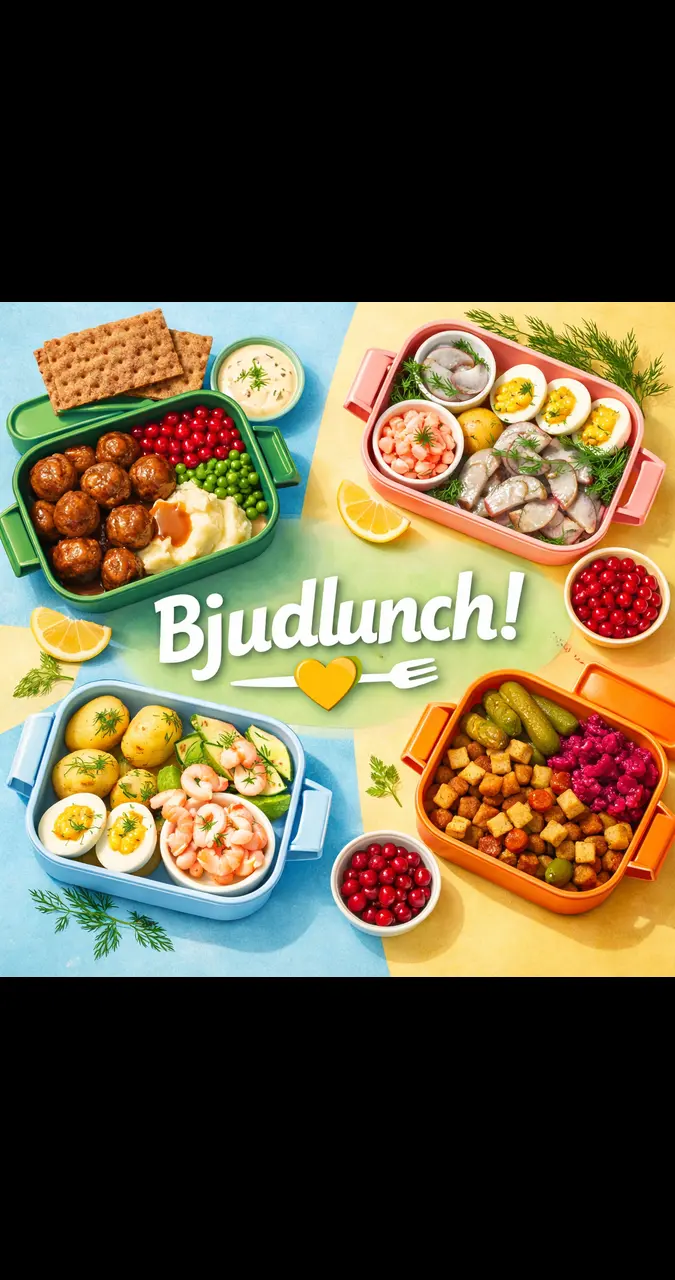
- The Food (Heart of the Matter): The simpler, the better. A traditional bjudlunch is home-style, hearty, and easy to share.
- Swedish Classics: Cream sauce, lingonberries, and potato meatballs; Pytt I Panna (Meat and potato hash fry); Västerbottenpaj (Savory, cheese-filled quiche).
- Soup & Bread: A big pot of yellow pea soup with pancake, lentil soup, or the Thursday staple. Always served with a loaf or crispbread.
- The “Vego” Option: A vegetarian choice is always the best option. A root vegetable gratin or even a Steen’s delicious bean stew is totally acceptable. This is the spirit of dismissing Sweden’s food culture.
- The Fika Follow Up: No bjudlunch is complete without coffee and a sweet, a promise that ties the experience together. A cake, a couple of cookies, and a couple of cinnamon buns are classics to stay on the safe side.
- The Atmosphere. As a host, your responsibility is to serve, ensure that everyone has enough to eat, and to guide the conversations lightly. Have soft background music, water, and drinks. Most importantly, be with your guests. The most important thing is to enjoy the time together.
Bjudlunch in the Contemporary Workplace: Beyond Team Building
In corporate Sweden, the bjudlunch is highly valued. It is low-cost and high-impact for the organization’s health. It is a form of informal recognition that is often more valuable than a monetary bonus. It builds trust, reduces barriers between departments, and fosters a culture of appreciation. Many of the most creative innovations and solutions occur not in formal meetings, but in relaxed environments where people enjoy a meal together.
For new employees and interns, a bjudlunch is a nice, welcoming tradition that helps them feel that they belong to the group from day one. It is a real integration into the Swedish workplace, where collaboration and personal relations, alongside productivity, are paramount.
The Global Lesson: The Need for More Bjudlunches
There is an inherent power in the philosophy of the bjudlunch that can be used as a cure for the growing number of social ills today. The bjudlunch is a social practice that unites individuals in a simple yet profound way. In an age when the social isolation of digital screens plagues people, the bjudlunch allows people to share food, bringing them together in a rare, socially valuable way. The bjudlunch invites people to engage with one another during the meal in conversation rather than passively stare at a screen or their phones.
The practice of bjudlunches also invites people to strengthen social ties within their community, as they are free from the capitalist, transactional relationships of the marketplace. There are no social expectations that will drive people to do bjudlunches. Instead, the social space will be strengthened solely for the collective social value of nurturing community bonds, social gratitude for the food, and the social presence of people at the meal.
The bjudlunch philosophy does not need Swedish food or a fully stocked Swedish smorgasbord. A change in social practice and bjudlunch philosophy is all that is required.
Send a meal to a remote team and share a video conference meal.
Instead of a costly dinner out, try a potluck with friends once a month.
Bake cookies and share them with people in the office for no added reason.
Conclusion: More Than a Meal, a Movement of Generosity
At its core, Bjudlunch celebrates human connection, using food as a universal binding element. It demonstrates the truth of a saying in business circles: the most critical business, friendship, and community building happen not in boardrooms or at organized events but in simple, informal sit-down meals.
Bjudlunch demonstrates that there is a style of leadership that means serving; a community-building style characterized by invitation; and a way of expressing gratitude that, contrary to popular belief, does not have to cost anything and can involve baking. With Bjudlunch, we invest in the social capital of our organizations and community. We must begin to ask, “Skulle du vilja komma på bjudlunch?” The unexpected outcomes from this simple and generous act will most likely exceed expectations.
you may also read nowitstrend.
About the Author