
Mr. Clean: The Bald Icon Who Changed Home Cleaning
Mr. Clean — the bald, earring-wearing mascot of P&G's cleaning brand — has been an advertising icon since 1958. His story, jingle, and global names.


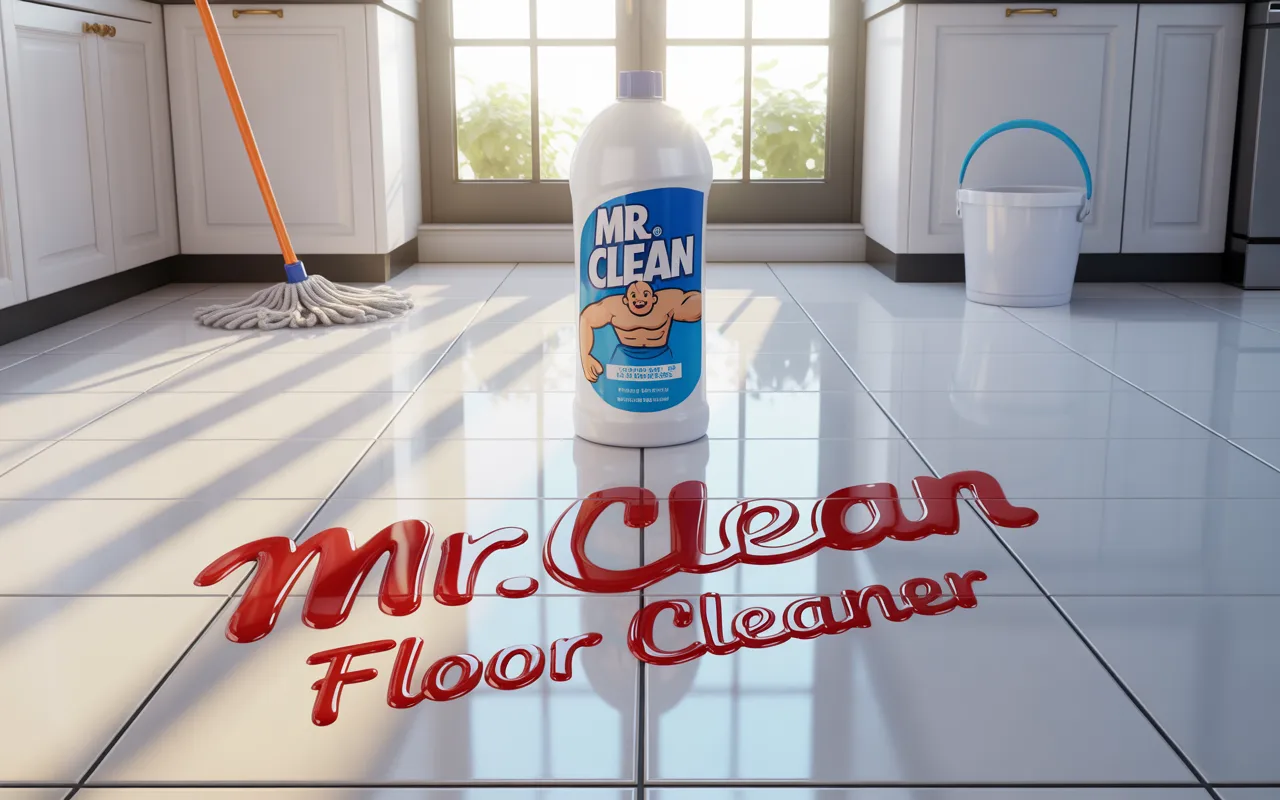
Mr. Clean is the bald, hoop-earringed mascot of Procter & Gamble’s cleaning brand — a muscular figure in a white T-shirt with folded arms who has been one of advertising’s most recognizable icons since 1958. He doesn’t sell a lifestyle or a story. He sells one promise: that cleaning works.
Who Is Mr. Clean?
Strip away the product and the character is almost absurdly simple: a gleaming bald head, a single gold hoop earring, a plain white T-shirt stretched over crossed, muscular arms, and a calm, knowing smile. There are no complicated backstories or cinematic universes — just a genie-like figure who appears when there’s dirt to fight. That simplicity is the whole point, and it’s why the design has barely changed in over 65 years of advertising.
The 1957 Launch and the 1958 Debut
Procter & Gamble launched the brand as an all-purpose household cleaner in 1957, and the mascot made his television debut in 1958. The timing was perfect: postwar households were buying their first wave of modern appliances and wanted cleaning products that felt modern too. Mr. Clean arrived as the friendly authority figure of the new clean home — confident, capable, and a little bit magical.
The Jingle Everyone Knows
The 1958 television commercial introduced one of the longest-running jingles in advertising history — a bouncy, Latin-tinged tune promising it “gets rid of dirt and grime and grease in just a minute.” Generations learned it by heart, and the melody became inseparable from the character. Few brand mascots can claim a theme song the public actually sings.
Mr. Clean Around the World
The bald icon travels under different names. He’s Mr. Proper across much of Europe, Meister Proper in Germany, Mastro Lindo in Italy, and Don Limpio in Spanish-speaking markets. The face stays the same everywhere — proof that the design works across languages and cultures without translation.
The Magic Eraser Era
In 2003, the brand reinvented itself for a new generation with the Magic Eraser — a melamine foam pad that lifts scuffs and stains with just water. It became a genuine phenomenon, giving the old mascot a modern hero product. The eraser’s runaway success proved the character could sell genuine innovation, not just nostalgia, and it introduced him to younger households that had never bought the original liquid cleaner.
Why the Bald Icon Endures
Most mascots fade; he got a Super Bowl glow-up instead. The 2017 “Cleaner of Your Dreams” campaign playfully reimagined the character for the social media age, and it worked because the underlying design never needed fixing. Like all great icons — from the icons like Audrey Hepburn and Michael Phelps to the iconic symbolism of the MF DOOM mask — the mascot endures because he’s instantly readable: one glance and you know exactly what he stands for. Few advertising creations achieve that kind of instant, wordless recognition.
Frequently Asked Questions
When was Mr. Clean created?
The brand launched in 1957, and the bald mascot debuted in television advertising in 1958.
Why is he bald?
The bald head is part of the character’s clean, genie-like design — simple, memorable, and unchanged for over 65 years.
What is he called in other countries?
Mr. Proper in much of Europe, Meister Proper in Germany, Mastro Lindo in Italy, and Don Limpio in Spanish-speaking markets.
Is Mr. Clean a real person?
No — he’s a brand mascot created for Procter & Gamble’s cleaning products, not a real person.
Conclusion
Mr. Clean proves that the best brand icons don’t need reinvention — just a great design and a promise kept. Sixty-five years on, the bald man with the earring still means exactly one thing: clean. Not bad for a drawing from 1958.