Tristan in the Bible
Tristan is a name that evokes medieval tales and tragic romances, most famously the story of Tristan and Isolde. However, if you search for Tristan in the Bible, you will come up empty, as the name does not appear in any widely circulated Old or New Testament translations, nor in the original Hebrew or Greek texts. What appears is the opportunity to examine ‘Tristan’ as a name, its meanings and themes, and, as has been done with many medieval characters, to conduct a biblical analysis of cultural figures from later centuries.
The Etymology and Meaning of “Tristan.”
Before making the biblical connection of the name Tristan plausible, the name’s origin must be examined. Tristan has been noted to be of both Latin and Celtic origins, most likely from the Latin word tristis, meaning ‘sad,’ as the name denotes sad or sorrowful, which aligns with the name’s destined character in the medieval tales, characterized by sad, forbidden love in a tragic story.
While the Bible does not mention the name Tristan, it does examine human experiences of sorrow, grief, and lament. Those who have suffered the most—like Job, Jeremiah (the weeping prophet), and Jesus, a man of sorrows acquainted with grief (Isaiah 53:3)—exemplify the essence of “tristis.” In this way, the spirit of Tristan, “the sorrowful one,” lives in these characters who endure deep emotional and spiritual pain. The Bible tells its stories, and above all, Job’s profound suffering is the subject of biblical and theological discourse on deep emotional trauma.
Thematic Parallels: Biblical Narrative and Tristan
Tristan is not a named biblical figure, but his legend’s themes strongly echo biblical stories. Comparing these parallels reveals how the Tristan archetype appears in a biblical context.
1. Consequences of Forbidden Love
The essence of the legend of Tristan is the love triangle and the story of forbidden, adulterous love and all its ramifications. Tristan, his uncle King Mark, and Isolde. The Bible takes this theme, the story of forbidden, adulterous love, and all its ramifications, and treats it with great seriousness.
The David, Bathsheba, and Uriah story (2 Samuel 11) closely mirrors Tristan’s. David’s actions led to tragedy, much like the chaos from Tristan and Isolde’s betrayal. Both stories show the harm of breaking marital trust.
2. The Loyalty Conflict: Between King and Heart
Tristan’s story is one of torn loyalty, too, between the passionate love of Isolde and the duty and allegiance to his lord and uncle, King Mark. This dichotomy of personal desire versus sworn duty is a classic biblical tension.
The story of Absalom’s rebellion against his father, King David (2 Samuel 15-18), is not a love story, but it does demonstrate the pain caused by broken loyalty in a family-political relationship, and the then-inevitable sorrow and death that follow. The opposite virtue is found in the book of Nehemiah: unwavering loyalty to a cause and to God despite external pressure and temptation. This loyalty test that Tristan failed places him with biblical characters whose divided hearts led to downfall.
3. The Archetype of the Suffering, Exiled Hero
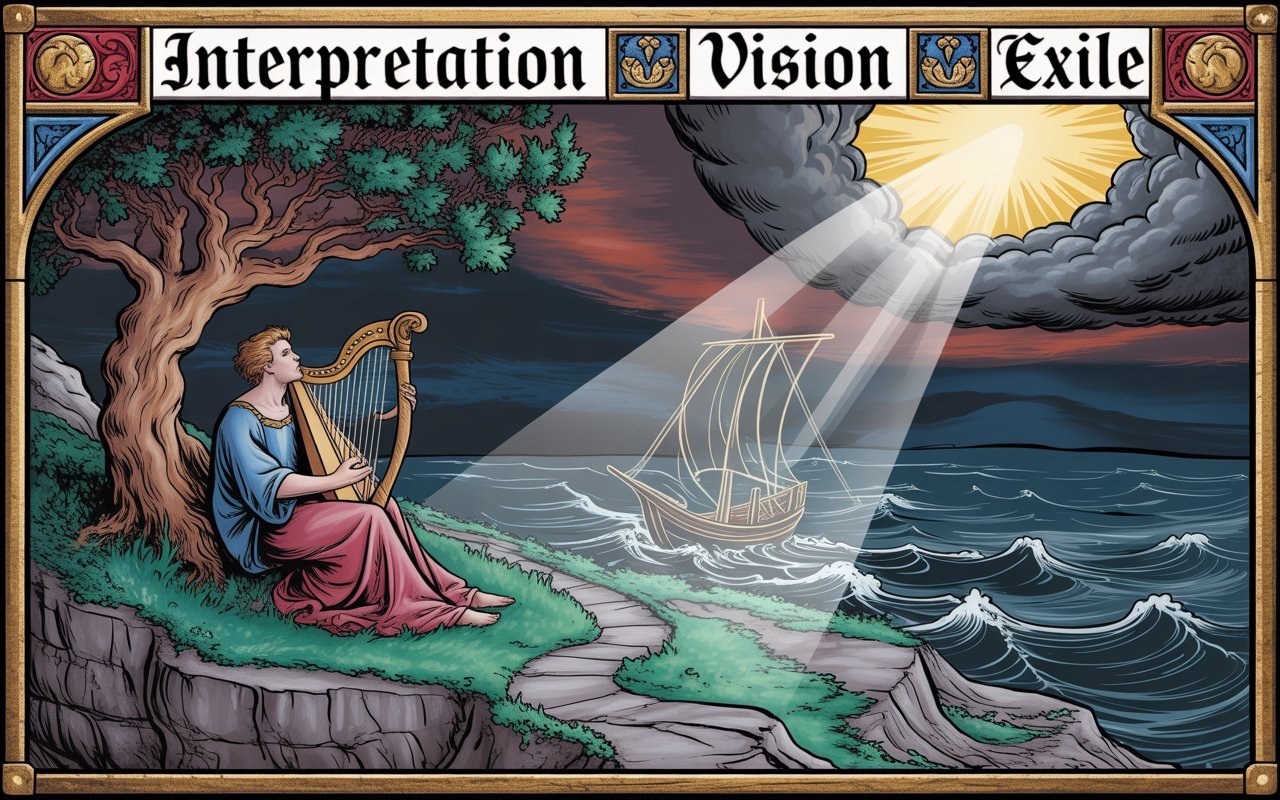
Tristan goes through a lot, but some of it he’s undone. Moving through exile, disguise, and bad luck, he suffers greatly. His plight and this suffering archetype draw heavily from Biblical accounts.
The story of Job comes to mind. He’s a victim of physical and existential suffering but remains a blameless man. He endures unbearable loss, wrestling with the everlasting question of why the innocent suffer. Joseph from the story in Genesis 37-50 also comes to mind. He was sold into exile by his brothers, and through suffering, he rose to power. Although Tristan and Joseph suffer differently, their stories show a similar cycle of exile, suffering, and trying to fix things.

“Tristan” as a Concept: Melancholy and Hope
The traits of melancholy and hope in the story of Tristan closely align with Biblical narratives. While books in the bible also portray melancholy, Ecclesiastes focuses on the futility of earthly pursuits. Desiring God is the only thing worth pursuing. The phrase, “Vanity of vanities, all is vanity,” is a direct example of the deep, melancholy life in Tristan.
However, the Bible’s response to this is different and the opposite of the tale’s fateful tragedy. The Bible acknowledges deep sorrow, but always ends with a message of redemption, true repentance, and even hope. David was forgiven, but was still held accountable (2 Samuel 12:13). Restorative Faith was given to Job after he endured a wrestling match with his faith (Job 42). Jesus, the man of suffering, endured suffering to bring purpose—to attain eternal salvation and remove all sorrow (Revelation 21:4).
Conclusion: An Absent Name, a Present Theme
In closing, there is no reference to Tristan in the Bible. The name comes from post-biblical medieval literature. That said, the core aspects of the Tristan character, including but not limited to tragic love, divided loyalty, crisis sorrow, and sinful consequences, are present in the biblical tale.
The Bible does not address these Tristan-like themes in a romanticized light, but rather portrays the sobering reality of the world. It alludes to the causes of such tragedies, which are most often willful disobedience, greed, and a broken union with oneself and God. The most important montage is finding the finishing line, which the classic Tristan tale does not offer: sad reflection, true repentance, and the hope of grace.
We won’t likely find a verse on Tristan in the Bible, since, within the Bible’s framework, that name conveys a sorrow that gravitates toward a hope greater than the deepest sorrow. The search for a missing knight reveals more about the Bible and the human heart than anything else.
you may also read nowitstrend.
About the Author