sterile processing technician
A sterile processing technician plays an important role in modern healthcare. Although these professionals may not work directly with patients, their work is essential for keeping surgical procedures and other medical treatments safe. They are responsible for cleaning, inspecting, sterilizing, organizing, and preparing medical instruments before they are used by healthcare professionals.
For people who are interested in healthcare but prefer working behind the scenes, becoming a sterile processing technician can be an excellent career option. The job requires attention to detail, responsibility, organization, and a strong understanding of infection prevention.
What Does a Sterile Processing Technician Do?
A sterile processing technician, sometimes called a sterile processing technician or central service technician, works with medical instruments and equipment. After instruments are used during surgery or other procedures, they must be carefully handled and processed before they can be safely used again.
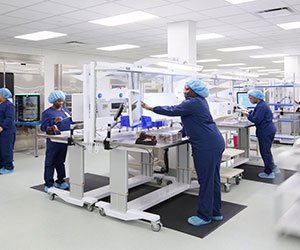
The technician typically begins by receiving contaminated instruments from operating rooms or other hospital departments. They clean the instruments using approved methods and equipment, inspect them for damage or remaining debris, and prepare them for sterilization.
Once the instruments have been properly sterilized, the technician packages and stores them in a controlled environment. They also make sure that the correct instruments are available when medical staff need them.
Why Is a Sterile Processing Technician Important?
Patient safety is one of the biggest reasons this career matters. Surgical instruments can carry harmful microorganisms if they are not properly cleaned and sterilized. A mistake during the processing procedure could potentially increase the risk of infection.
A sterile processing technician follows strict procedures to reduce these risks. Every step, from cleaning to sterilization and storage, must be performed carefully. Technicians also follow hospital policies, industry standards, and infection-control guidelines.
Their work helps surgeons, nurses, and other healthcare professionals receive clean and properly prepared instruments when they are needed.
Skills Needed for the Job
Being a successful sterile processing technician requires more than technical knowledge. Attention to detail is one of the most important qualities because technicians must identify small problems with instruments and follow precise procedures.
Organization is also important. Hospitals may process large numbers of instruments every day, and each item needs to be properly tracked and handled.
Other useful skills include:
- Strong concentration
- Good communication
- Time management
- Ability to follow detailed instructions
- Understanding of infection prevention
- Mechanical awareness
- Dependability
- Ability to work under pressure
Technicians should also be comfortable working around medical equipment and wearing protective clothing while handling contaminated instruments.
Education and Training
The education required to become a sterile processing technician varies depending on the employer and location. Many people begin by completing a sterile processing training program through a vocational school, community college, or specialized healthcare training provider.
Training programs generally cover subjects such as medical terminology, infection control, instrument identification, decontamination, sterilization methods, packaging, storage, and workplace safety.
Some employers may also prefer or require professional certification. Certification can demonstrate that a candidate has received appropriate training and understands important sterile processing practices.
Because healthcare procedures and technology can change, continuing education can also be valuable throughout a technician’s career.
Where Do Sterile Processing Technicians Work?
Hospitals are among the largest employers of sterile processing technicians, but they are not the only workplaces available. These professionals may also find opportunities in outpatient surgery centers, dental facilities, specialty clinics, medical centers, and other healthcare organizations.
The work environment can be fast-paced. A hospital may need a large number of surgical instruments prepared within a short period of time. Technicians therefore need to remain focused while completing tasks accurately.
Depending on the facility, sterile processing departments may operate around the clock. This means some technicians may work evenings, nights, weekends, or holidays.
Career Growth and Opportunities
A sterile processing technician can use the position as the beginning of a longer healthcare career. With experience and additional education, some professionals move into supervisory or management positions.
Experienced technicians may become team leaders, sterile processing supervisors, educators, or department managers. Additional certifications and specialized training can help professionals qualify for more advanced opportunities.
The experience gained in sterile processing can also provide useful knowledge for people who later pursue other healthcare careers.
Challenges of Being a Sterile Processing Technician
Like any healthcare profession, this career has challenges. The work can be physically demanding because technicians may spend long periods standing, moving equipment, and handling instrument trays.
There can also be significant pressure during busy periods. Operating rooms depend on properly prepared instruments, so technicians need to work efficiently without sacrificing accuracy.
Another challenge is that much of the work happens behind the scenes. Patients may never know the technician who helped prepare the instruments used during their procedure. However, the impact of the work is still extremely important.
Is This Career Right for You?
A career as a sterile processing technician may be a good choice for someone who wants to work in healthcare but does not necessarily want a patient-facing position. It can be especially suitable for people who enjoy organized environments, technical tasks, and work that requires precision.
Before choosing this career, it is helpful to research local education requirements, certification options, working conditions, and employment opportunities. Speaking with experienced technicians can also provide a realistic understanding of what the job involves.
Final Thoughts
A sterile processing technician is an important member of the healthcare team. By carefully cleaning, inspecting, sterilizing, packaging, and preparing medical instruments, these professionals help healthcare facilities maintain high standards of safety and infection prevention.
The career requires discipline, attention to detail, and a commitment to following established procedures. For individuals who want a meaningful healthcare career while working primarily behind the scenes, sterile processing can offer a practical path with opportunities for experience and professional growth.
you may also read nowitstrend.
About the Author