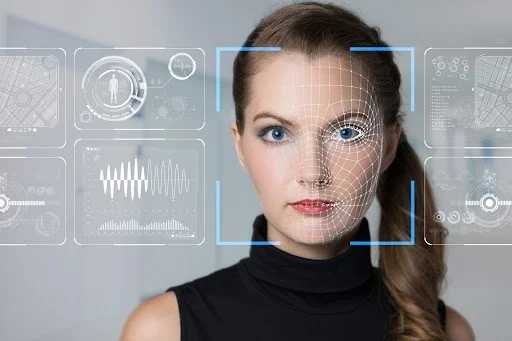
Liveness Detection
As with any system, authentication is constantly tested by evolving cyber threats in today’s digital age. Standard security solutions like passwords, PINs, and even one-time passcodes are no longer sufficient to safeguard sensitive user data. Today, cybercriminals are exploiting outdated verification systems through such sophisticated methods as deepfakes, spoofing attacks, and synthetic identities. That’s where liveness detection is essential to today’s authentication.
Liveness detection is a biometric security technology that identifies whether the person trying to be authenticated is physically present, not a photograph, video, mashup, or artificially created. In a world where companies are increasingly moving towards digital onboarding and remote access, secure and reliable identity verification is more crucial than ever.
Understanding Liveness Detection
Liveness detection is used in conjunction with a facial recognition system to ensure that people are present at authentication. Liveness detection guarantees in real time that the face is that of a live person, while facial recognition compares facial features with stored biometric data.
This technology is intended to prevent the spoofer from impersonating using static images, recorded videos, silicone masks, or AI-manipulated content. Today, artificial intelligence, machine learning, and computer vision help analyze subtle facial movements, skin texture, depth, lighting reflections, and behavioral patterns to determine whether someone is alive.
There are two main types of liveness checks:
- Active liveness detection requires users to blink, smile, or even move their head.
- Passive liveness detection, that is, detection in the background, without the user having to take part.
- 3D facial analysis for more robust fraud prevention and 2D facial analysis for more enhanced fraud prevention.
- Deepfake detection using Artificial Intelligence (AI) technology.Deepfake detection with Artificial Intelligence (AI) technology.
- Biometric verification in real time in the onboarding and login process
These techniques enable companies to establish safe authentication systems without sacrificing the user experience.
The drawbacks of traditional authentication methods
Although passwords are a tried-and-true method of authentication, they are becoming increasingly vulnerable to cyberattacks. Many users still use the same usernames and passwords across various applications, leading to credential theft. Multi-factor authentication can be overcome by phishing and SIM swapping.
Meanwhile, the growing shift to remote services has opened up new avenues for fraudsters. Identity verification processes are now fully digital and crucial for online gaming, digital banking, telehealth, and remote hiring platforms. If there is no liveness detection, attackers can trick facial recognition systems with photos or videos of fake faces.
With the rise of deepfake Detection, these attacks are becoming even more threatening. Basic video verification systems can be tricked by AI synthetic faces and videos, leading to account takeover, financial fraud, and identity theft. A company without any liveness-check systems is vulnerable to many security issues.
How Liveness Detection Fits into Today’s Authenticating Experience
Liveness detection enhances authentication processes by incorporating an additional layer of real-time human verification. This means that the system will not only check for a match with the collected biometric data but also ensure that the face belongs to a human subject who was present when the system was used for authentication.
This additional layer of protection is critical for businesses with sensitive customer data and financial transactions. Fintech firms are utilizing liveness detection for secure customer onboarding, whereas banks are using it to prevent fraudulent account openings. Biometric verification is also used to safeguard patient records on healthcare platforms and to combat fake accounts and scams on online marketplaces.
Another key benefit of liveness detection is that it can be used to enable passwordless authentication. Organizations are shifting to biometric-based logins because they are quicker, easier, and harder to hack. But even when liveness is not detected, biometric systems remain susceptible to spoofing attacks. When organizations can confirm the human presence, they can be sure to roll out facial authentication at scale.
Why Liveness Detection helps enhance User Trust
Security is no longer the only concern for Digital Businesses. Users also deserve to have fast, smooth, and easy experiences. By allowing companies to verify identity securely without the need for extensive manual verification, liveness detection is a way to balance security and usability.
Passive liveness detection, in particular, enables users to provide natural authentication without additional operations. This not only makes things easier for users but also provides robust security against fraud.
By ensuring that users feel confident in the security of their accounts and personal information on digital platforms, banks can foster trust and encourage increased engagement. By providing a sense of security for their accounts and personal data, banks can promote trust and engagement among digital platform users. This trust directly affects customer retention, brand reputation, and future business expansion.
The Future of Authentication
The dynamic nature of cyber threats is calling for more intelligent and adaptive authentication systems. AI is reshaping the nature of authentication, which will rely on biometric technology as a fraud-prevention measure. If you are not using more sophisticated liveness detection, your organization may have a hard time preventing users from accessing your system through increasingly sophisticated attacks.
Modern authentication is no longer just about convenience. It’s the idea of making sure that every time someone interacts with digital something, they’re interacting with a real person. One of the most vital technologies for future cybersecurity and identity verification is liveness detection, which is why it’s essential to achieving that objective.
you may also read nowitstrend.
About the Author